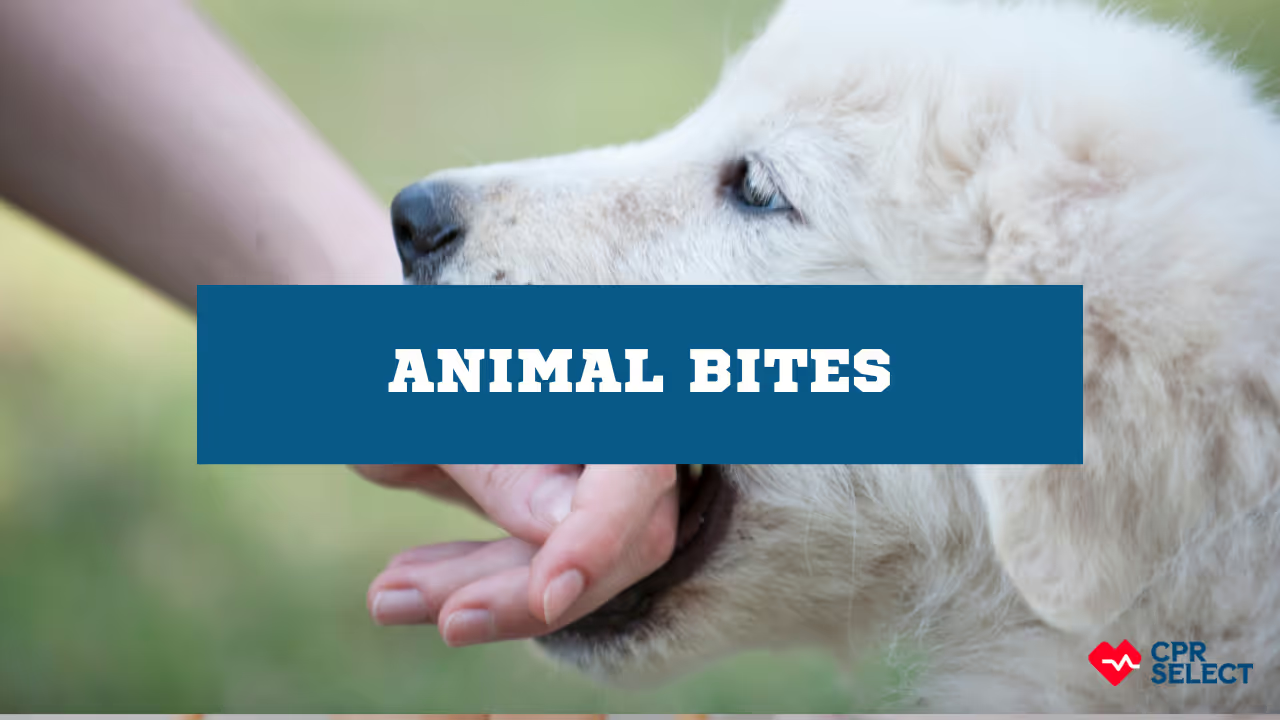
First Aid for Animal Bites: Immediate Steps, Prevention, and When to Seek Medical Help

Animal bites can cause serious injuries if not treated promptly. This article explains why immediate first aid and proper wound care matter and highlights the health risks that make quick action essential.

It covers bites from mammals (such as dogs, cats, and bats), reptiles (such as snakes), and arthropods (such as spiders and scorpions). You’ll learn how to recognize danger signs, provide immediate first aid, know when to seek medical care, and reduce the risk of infection or other complications.

What is an Animal Bite?

An animal bite is an injury that occurs when an animal’s teeth or claws break or tear the skin. Unlike other skin injuries, animal bites carry a higher risk of infection and require specific first aid and medical evaluation. Animal bites can cause different types of wounds:

  • Puncture wounds drive bacteria deep into tissue.
  • Lacerations create irregular tears that may need careful cleaning or closure.
  • Crushing injuries damage deeper tissue and may involve bones or muscles.
  • Tearing injuries remove soft tissue and can require advanced medical care.

The type of wound affects infection risk and treatment decisions.
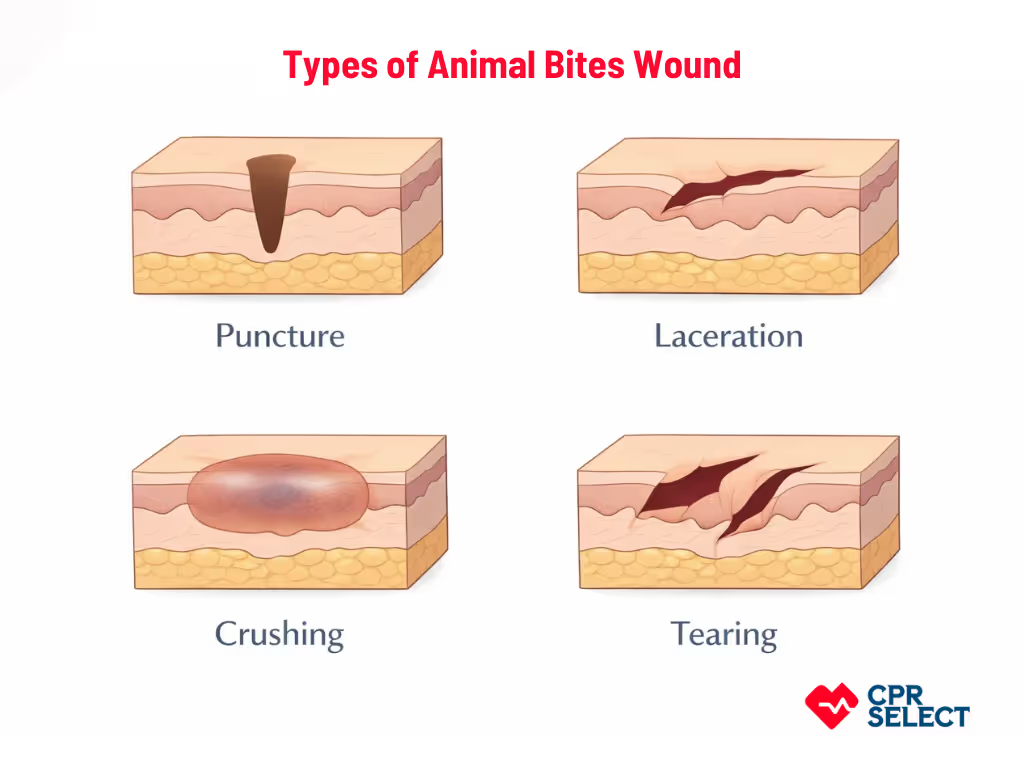
animal bite wounds

An animal bite specifically involves skin penetration or tearing. Superficial scratches or simple contact without broken skin are not considered animal bites. Understanding what qualifies as an animal bite helps ensure proper first aid and timely medical response, which the next section explores in more detail.

What are the Types of Animal Bites?

Animal bites are grouped based on the type of animal, the setting where the bite occurs, and how the injury happens.

  1. Domestic (such as dogs and cats),
  2. Wild such as raccoons and bats), and
  3. venomous (such as snakes or cone snails).

Each category carries different risks, including infection, rabies exposure, or toxin effects, which influence how urgently medical care is needed.
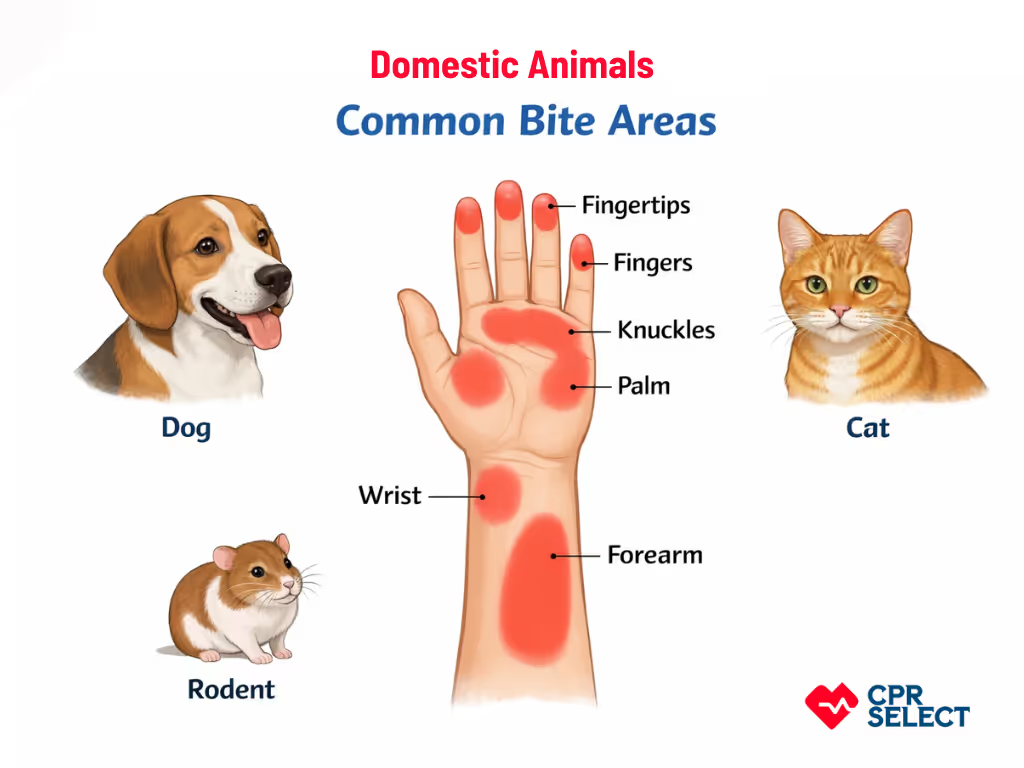
domestic animals common bite areas

1. Domestic Animal Bites

Domestic animal bites come from household pets such as dogs, cats, and rodents. These bites often cause crushing injuries, lacerations, or deep puncture wounds, which can trap bacteria and debris, increasing infection risk.

  • Dogs: Dog bites produce crushing injuries, lacerations, or tissue avulsions. These wounds can damage underlying structures like tendons or nerves and have a higher risk of infection due to tissue devitalization.
  • Cats: Cat bites usually create deep, narrow punctures that can trap saliva and debris, making infection more likely. Pasteurella multocida is a common pathogen in cat bite infections.
  • Pet rodents: Rodent bites cause small punctures or minor tears and can transmit bacteria such as Streptobacillus moniliformis. Even small wounds on hands or face can lead to infection if untreated.

Infection risk factors include bite location (hands, face, joints), wound depth, delayed cleaning, and patient conditions like diabetes or immunosuppression. These increase the likelihood of complications such as cellulitis, septic arthritis, or osteomyelitis.

First Aid Treatment for Domestic Animal Bites

Immediately irrigate the wound with clean water or saline, apply pressure to control bleeding, cover with a sterile dressing, and seek medical care for deep, facial, or hand wounds, or bites from cats or rodents. Ensure tetanus status is up to date, and consult a clinician for possible antibiotics or rabies assessment if the animal’s vaccination status is unknown.

Domestic animal bites involve household pets with characteristic wound patterns and shared infection risks. The next section covers wild animal bites, which present different exposure contexts and pathogen risks.
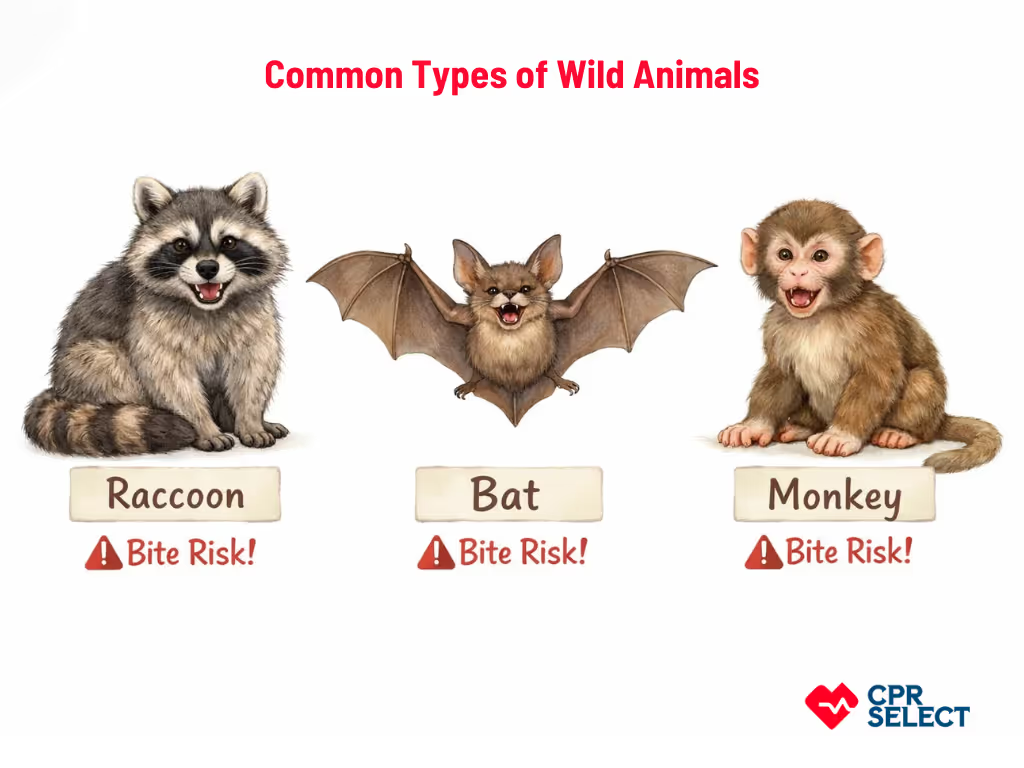
wild animals

2. Wild Animal Bites

Wild animal bites are injuries from free-living wildlife such as raccoons, bats, foxes, monkeys, and deer. These bites are unpredictable and carry higher risks of zoonotic infections like rabies, leptospirosis, tetanus, and other bacterial infections. Wounds often involve deep punctures and environmental contamination, making prompt first aid essential, including thorough irrigation, tetanus status review, and consideration of rabies postexposure prophylaxis. Specific species pose unique risks:

  • Raccoons can carry rabies virus variants
  • Bats can transmit rabies even without visible wounds
  • Monkeys may transmit herpes B virus or simian B virus during captive or tourist encounters.

First Aid Treatment for Wild Animal Bites

Clean the wound with water for at least five minutes, control bleeding, cover with a sterile dressing, and seek urgent medical evaluation, especially for deep punctures or high-risk species. Preventive measures include avoiding wildlife, securing attractants, and reporting aggressive animals to local authorities.
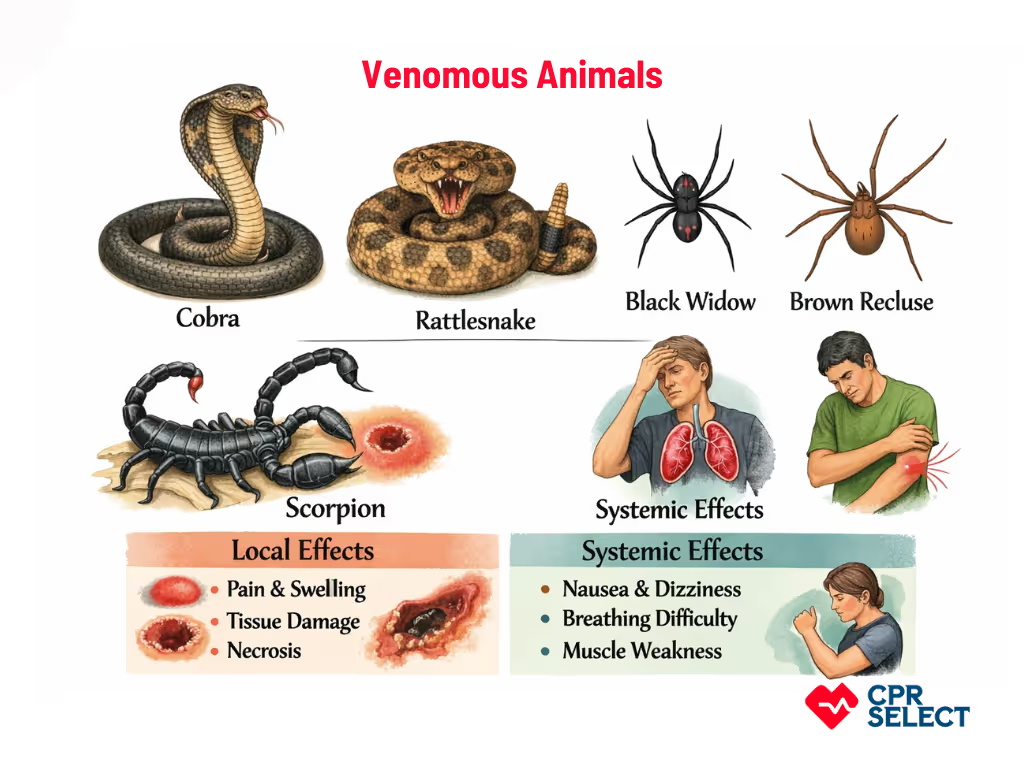
venomous animal bites

3. Venomous Animal Bites

A venomous animal bite occurs when an animal injects venom into human tissue or the bloodstream, causing local tissue damage and potentially serious systemic effects. Unlike nonvenomous bites, these require prompt medical attention and careful risk assessment.

Venomous bites are typically classified by animal type: snakes (e.g., cobras, rattlesnakes), spiders (e.g., black widows, brown recluses), and scorpions (e.g., Leiurus, Centruroides). Snake bites are often further categorized as viper (causing coagulopathy and tissue necrosis) or elapid (causing neurotoxicity) envenomations.

Venom effects are either local (pain, swelling, bruising, or tissue necrosis) or systemic (neurotoxic symptoms, blood clotting problems, or cardiovascular instability). Immediate concerns include rapid tissue injury, allergic reactions like anaphylaxis, and signs of organ involvement, all of which require urgent medical evaluation and possibly antivenom.

First Aid for Venomous Animal Bites

If bitten by a venomous animal, seek emergency medical care immediately. Move away from the animal and keep the person calm and still to slow venom spread. Gently clean the wound with soap and water. Do not cut, suck, or apply ice. Keep the affected limb immobilized and at or below heart level. Avoid tourniquets or other harmful interventions. In some regions, pressure immobilization bandages may be recommended for specific bites, but only if applied correctly. The priority is stabilization and rapid transport for professional treatment, including possible antivenom.

Rapid medical evaluation is essential. Local tissue effects and systemic symptoms can progress quickly, and professional treatment, including antivenom and supportive care, is often required.

Other Special-Case Bites

Special-case bites include injuries from rodents or humans. These bites are associated with unique infection risks, such as rat-bite fever or serious bacterial infections from human bites. Because of their high complication rates, these bites always require careful medical assessment.

animal bite wounds risk factor

What are the Risks and Complications of Animal Bites?

Animal bites can lead to several medical complications that require careful assessment and timely intervention.

  • Infection: Bite wounds often introduce bacteria from the animal’s mouth, including Pasteurella multocida in cat and dog bites, Staphylococcus aureus, Streptococcus species, and anaerobes. Signs of infection include increasing pain, redness, swelling, pus, fever, or lymphangitic streaks. High-risk bites may need early antibiotics, and follow-up within 24–48 hours is recommended.
  • Tetanus: Deep or contaminated bites can introduce Clostridium tetani spores. Check immunization history and provide tetanus vaccine or immunoglobulin if needed, especially for dirty wounds or when boosters are overdue.
  • Rabies: Bites from wildlife (bats, raccoons, skunks, foxes) or unvaccinated domestic animals may transmit rabies, a fatal viral disease. High-risk bites, head/neck, multiple bites, or mucous membrane exposure, require immediate public health evaluation and postexposure prophylaxis.
  • Allergic reactions: Reactions can range from local swelling and itching to life-threatening anaphylaxis with airway compromise, wheezing, hypotension, or syncope. Intramuscular epinephrine and emergency care are required for systemic reactions.
  • Tissue and structural damage: Bites can injure skin, muscles, tendons, joints, nerves, or blood vessels. Red flags include loss of motion or sensation, rapid swelling, deformity, persistent bleeding, or joint penetration. Imaging and specialist referral may be necessary.

Multiple issues may occur simultaneously, such as infection over a tendon injury or an allergic reaction complicating wound care. These require comprehensive assessment and closer monitoring.

What are the Signs and Symptoms to Watch For?

After an animal bite, symptoms can range from mild local changes to systemic illness. Early recognition helps guide first aid and medical evaluation.

  • Local mild-to-moderate symptoms include sharp or throbbing pain, redness, swelling, and minor bleeding. These early signs indicate tissue injury and require monitoring.
  • Signs of infection develop over 24–72 hours and include purulent drainage (pus), increasing warmth, expanding redness, enlarging swelling, and worsening pain or reduced function of the affected limb or digit.
  • Systemic and severe symptoms suggest broader involvement and may include fever (≥38°C), chills, rapid heartbeat, low blood pressure, widespread rash, or altered mental status. The presence of systemic signs signals potential sepsis and requires urgent medical evaluation.
  • Symptom progression and timing: Immediate local signs appear within minutes to hours. Infection signs emerge over 1–3 days, and systemic symptoms can develop within 48–72 hours if bacteria enter the bloodstream.
  • Variability by bite type and patient factors: Severity and type of symptoms depend on the animal species, wound location (hands and face are higher risk), depth, and the patient’s immune status or comorbidities like diabetes.

Recognizing the spectrum from mild local changes to systemic illness is crucial for deciding when to provide first aid and seek professional care.

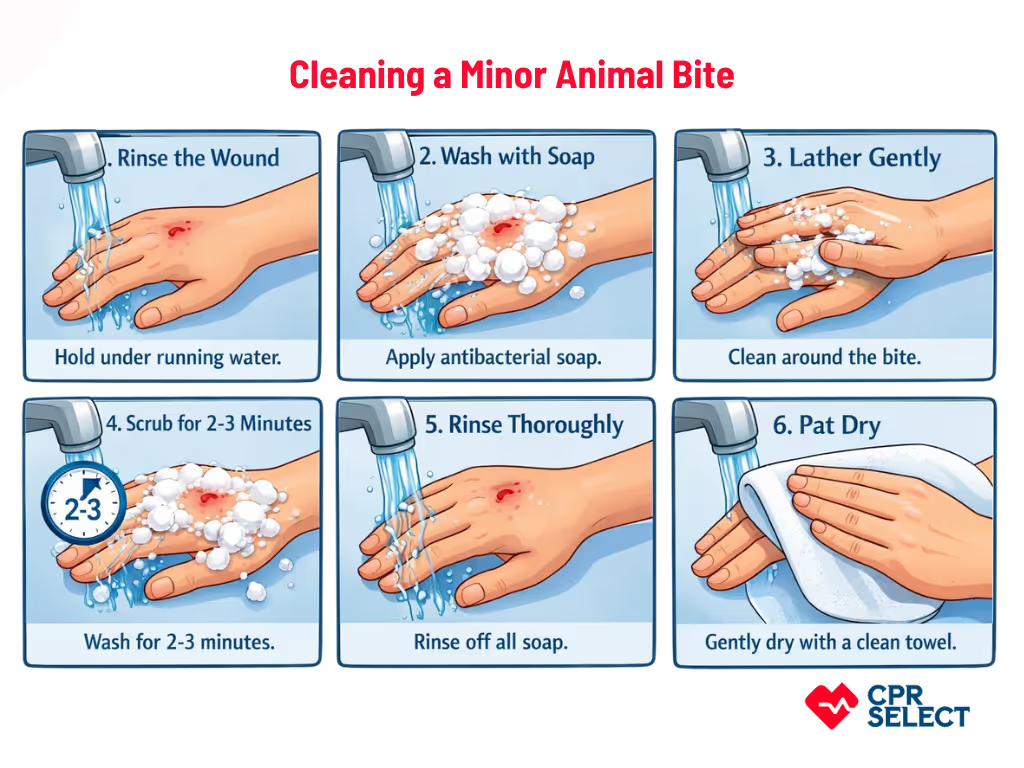
immediae first aid for animal bite wounds

Immediate First Aid for Animal Bites

Immediate response focuses on stopping bleeding, reducing infection risk, and arranging medical care.

  1. Ensure safety: Move away from the animal and call emergency services if it remains aggressive.
  2. Control bleeding: Apply direct pressure with a clean cloth or sterile gauze for 5–15 minutes; elevate the limb if possible.
  3. Clean the wound: Rinse under running water for at least 5 minutes and gently wash with soap.
  4. Apply a sterile dressing: Cover the wound to protect it from contamination.
  5. Immobilize if needed: Use a splint for pain, suspected fracture, or deep tissue injury.
  6. Preserve animal information safely: Note species, color, and vaccination status for public health authorities.
  7. Seek prompt medical evaluation: Transport to urgent care or a hospital, especially for deep, facial, hand, or wild/unvaccinated animal bites.

These steps reduce infection risk, preserve evidence for rabies assessment, and prepare the patient for professional care.

When to Seek Medical Help?

Seek medical evaluation for animal bites that are more than minor skin breaks or show warning signs. Urgent care is needed for uncontrolled bleeding, deep or complex wounds, spreading infection, systemic symptoms (fever, weakness, confusion), neurological or venomous exposure, suspected rabies, or bites in high-risk patients (diabetes, immunosuppression, prosthetic joints, poor circulation).

What CPR Select Recommends to Prevent Animal Bites

CPR Select emphasizes everyday safety measures to reduce the risk and severity of animal bites across domestic, wild, and workplace settings:

  • Supervise interactions: Always watch children and untrained individuals around animals to prevent risky contact.
  • Learn animal body language: Recognize warning signs such as growling, pinned ears, or freezing posture to avoid escalation.
  • Use calm, predictable behavior: Approach slowly, speak softly, and avoid sudden movements or reaching over the animal’s head.
  • Secure animals and environments: Use enclosures, gates, leashes, and warning signs to prevent unexpected encounters.
  • Manage feeding and resource guarding: Avoid disturbing animals during meals, play, or rest to prevent defensive bites.
  • Educate household members and visitors: Teach safe handling, supervision, and child-appropriate rules to reduce risky interactions.
  • Vaccination and veterinary care: Keep pets healthy and up-to-date on vaccines to prevent disease-related aggression.
  • Avoid wildlife contact and remove attractants: Maintain distance from wild animals, secure trash, and avoid feeding them.
  • Use protective equipment in high-risk jobs: Gloves, eye protection, boots, and handling tools reduce injury during necessary interactions.
  • Plan for escape and de-escalation: Maintain clear exit routes, avoid cornering animals, and train in calm withdrawal techniques.

Following these recommendations lowers both the likelihood and severity of animal bites and works hand-in-hand with first-aid preparedness for comprehensive bite safety.

Get Trained in First Aid

Training in first aid for animal bites equips you to respond safely and effectively, reducing infection risk and preventing mishandling. Online courses teach wound cleaning, bleeding control, dressing application, contamination awareness (tetanus, rabies), safe patient handling, and CPR (cardiopulmonary resuscitation). Completing a reputable online first aid training course from CPR Select ensures knowledge and confidence in managing animal-bite incidents.

Get CPR Certified in Minutes for as low as $19.95

Join thousands of professionals that have been certified online with us
100% Online Certification
Fast & Convenient
Instant Certification Card
Nationally Accepted
Get Started
5 star
4.87/5.00
from 259,205 reviews

CPR
Certification

Tailored for the community and workplace
$19.95
$24.95
Offer Expires:
date
Comprehensive CPR Training Across All Ages
Choking response training
Recovery position technique course

Should I put ice on an animal bite?

Yes, you can use ice briefly to reduce swelling and pain, but only after controlling bleeding and cleaning the wound. Apply a cold pack wrapped in a clean cloth for 10–15 minutes, then remove for 10 minutes before repeating. Do not place ice directly on an open or contaminated wound, as this can worsen tissue injury and increase infection risk.

How soon should I see a doctor?

You should see a doctor within 24 hours for moderate wounds, and immediately for severe bites or signs of infection. Urgent care is required if the bite shows deep punctures, tendon or joint involvement, uncontrollable bleeding, rapidly spreading redness, increasing pain, fever, swelling affecting circulation, numbness, or loss of function. Early medical evaluation reduces infection risk and ensures proper rabies and tetanus assessment.

Can I use antibiotics at home?

No, you should not use antibiotics at home without a clinician’s prescription. Proper evaluation is needed to determine the appropriate drug, dose, and duration based on wound depth, animal species, patient allergies, and immunization status. For example, clinicians often prescribe amoxicillin-clavulanate for cat and human bites to cover Pasteurella and oral bacteria, with alternatives for penicillin-allergic patients.

What if the animal runs away?

You should immediately collect descriptive information and report the incident if the animal runs away. Note the time, location, animal appearance, and witness contact details, and provide any photos if available. Contact local animal control or public health authorities promptly to assess rabies risk and determine quarantine or testing for the animal. Timely reporting ensures proper postexposure prophylaxis decisions.

Are cat bites worse than dog bites?

Cat bites are generally higher risk for infection, while dog bites often cause more tissue crushing. Cat bites produce narrow puncture wounds that inoculate deep tissue, frequently carrying Pasteurella multocida, which can lead to infection. Dog bites more commonly result in lacerations or blunt trauma, sometimes requiring suturing, and tetanus risk assessment may be necessary. Early wound cleaning and prompt medical evaluation are essential for both.

Do I need a tetanus shot after an animal bite?

Yes, you may need a tetanus shot if your vaccination is not up to date. Clinicians typically recommend a tetanus booster if more than 5 years have passed since your last dose for contaminated wounds, or 10 years for minor, clean bites. Keeping your tetanus immunization current helps prevent tetanus infection from bacteria introduced through the bite.

Should I get rabies vaccination or rabies shots after a bite from a stray animal?

Yes, rabies vaccination is recommended for bites from stray animals or animals with unknown vaccination status. Health authorities like the Centers for Disease Control and Prevention advise initiating rabies post-exposure prophylaxis (rabies shots or rabies vaccine) as soon as possible, especially if the animal cannot be observed or tested. Early treatment is critical to prevent rabies, which is almost always fatal once symptoms appear.

Can I use antibiotic ointment or antiseptic lotion on a bite?

Yes, applying a thin layer of antibiotic cream or antiseptic lotion can help reduce infection risk for minor bites. First, clean the wound thoroughly with warm water and mild soap, then cover with a sterile bandage or sterile wound dressing. This basic care lowers bacterial contamination while you seek professional evaluation for further management, including prescription antibiotics if needed.