How to Recognize the Signs of Dehydration and Tips to Prevent Fluid Loss

Dehydration is a common but potentially serious condition that occurs when the body loses more fluids than it takes in. Without enough water, the body cannot function properly. Knowing how to recognize dehydration and provide first aid can prevent complications and improve recovery.

What Is Dehydration?

Dehydration happens when the body does not have enough fluids to support normal bodily functions. Water is essential for regulating temperature, maintaining blood pressure, supporting circulation, and helping organs work efficiently. Even mild dehydration can affect physical and mental performance, while severe dehydration can become a medical emergency.
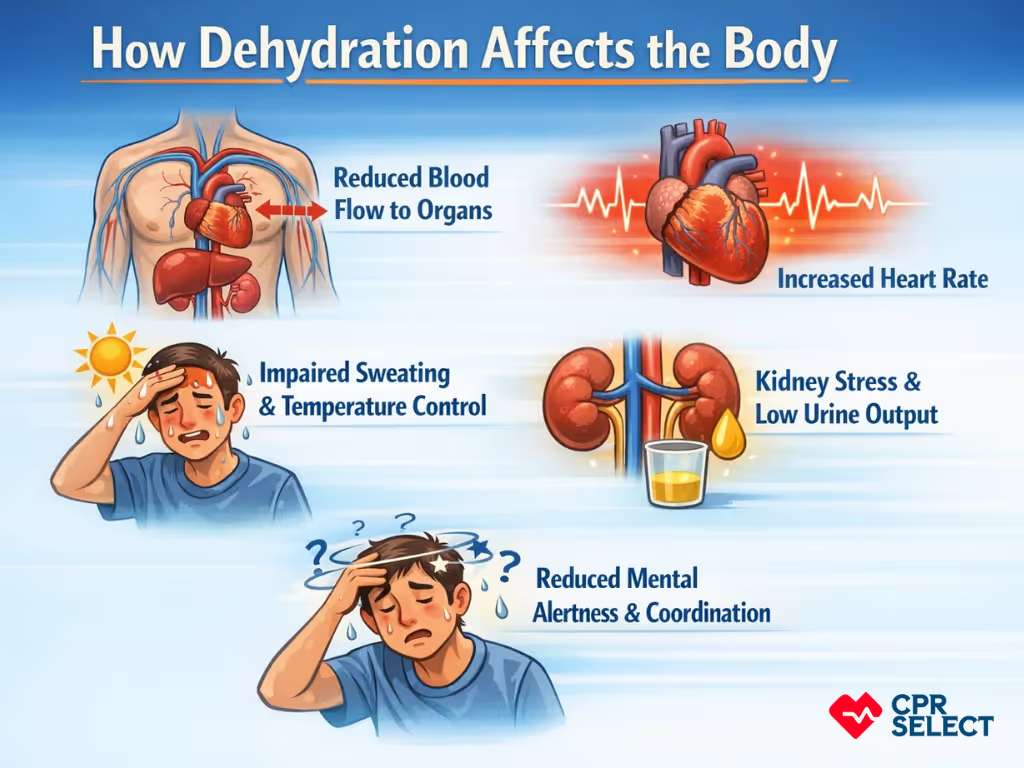
How Dehydration Affects the Body?


How Dehydration Affects the Body?

Water plays a critical role in nearly every body system. When fluid levels drop, the body prioritizes essential functions, which can lead to noticeable symptoms. Dehydration can:

  • Reduce blood flow to organs
  • Increase heart rate
  • Impair sweating and temperature control
  • Affect kidney function and urine output
  • Reduce mental alertness and coordination

Even mild dehydration can impact focus and physical performance, increasing the risk of accidents or injuries.

Common Causes of Dehydration

Dehydration can develop quickly or over time. Common causes include:

  • Excessive sweating from heat or physical activity
  • Vomiting or diarrhea
  • Fever or illness
  • Not drinking enough fluids
  • Hot or humid environments
  • Increased fluid loss due to certain medications

What are the Signs and Symptoms of Dehydration?

Symptoms of dehydration vary depending on severity:

Signs and Symptoms of Dehydration


Mild to Moderate Dehydration

  • Thirst
  • Dry mouth or lips
  • Dark yellow urine
  • Decreased urination
  • Fatigue or weakness
  • Headache or dizziness

Severe Dehydration

  • Little or no urine output
  • Confusion or disorientation
  • Rapid heartbeat
  • Sunken eyes
  • Fainting

Severe dehydration can lead to serious complications such as heat exhaustion, heat stroke, kidney problems, and shock. Emergency care is needed if symptoms progress or if the person cannot keep fluids down.

Why Dehydration Is a First Aid Concern?

Dehydration is often underestimated because its early symptoms can seem mild. However, fluid loss affects circulation, temperature regulation, and organ function. When dehydration progresses, blood volume can drop, making it harder for the heart to pump oxygen and nutrients throughout the body. This is why dehydration is recognized as a first aid concern, especially in hot environments, workplaces, and emergency situations.

Prompt first aid helps stabilize the person and prevents dehydration from advancing into more serious conditions such as heat exhaustion, heat stroke, or shock.

Who Is at Higher Risk of Dehydration?

Some people are more vulnerable to dehydration because their bodies lose fluids faster or have difficulty replacing them.

  • Infants and young children: Babies and young children have a higher body water content and lose fluids more quickly. They depend on caregivers for hydration and may not be able to communicate thirst. Diarrhea, vomiting, or fever can cause rapid fluid loss in this age group.
  • Older adults: Aging reduces the sensation of thirst, making older adults less likely to drink enough fluids. Some may also have medical conditions or take medications that increase fluid loss, raising the risk of dehydration.
  • People with chronic medical conditions: Conditions such as diabetes, kidney disease, or heart disease can affect fluid balance. Certain medications, including diuretics, may also increase urination and fluid loss.
dehydration first aid

How to Give First Aid for Dehydration?

Providing early first aid can help stop dehydration from worsening. Here's a Step-by-Step First Aid:

  1. Move the person to a cool, shaded, or air-conditioned area.
  2. Encourage rest and limit physical activity.
  3. Offer small, frequent sips of water.
  4. Use an oral rehydration solution if available, especially after vomiting or diarrhea.
  5. Loosen tight clothing to help the body cool down.

Do not rush fluid intake. Slow, steady hydration is more effective.

When to Use Oral Rehydration Solutions?

Oral rehydration solutions should be used whenever a person is losing fluids and electrolytes faster than they can replace them. This is particularly important for children experiencing diarrhea or vomiting, as they can become dehydrated very quickly, and for older adults, whose sense of thirst and fluid regulation may be diminished.

ORS is also essential for anyone with moderate dehydration, characterized by symptoms such as thirst, dry mouth, reduced urine output, or mild dizziness. People exposed to hot weather, strenuous activity, or excessive sweating can benefit from ORS to restore both water and electrolytes.

What NOT to Do for Dehydration

Avoid actions that may worsen the condition:

  • Do not force fluids if the person is vomiting or unconscious
  • Avoid sugary, caffeinated, or alcoholic drinks
  • Do not ignore worsening symptoms
  • Do not delay medical care for severe dehydration

When to Seek Medical Help?

Medical attention should be sought immediately if dehydration symptoms worsen despite initial first aid measures. Signs that indicate urgent care include the absence of urination for several hours, confusion, or fainting, which suggest severe fluid loss and possible organ stress. Infants and older adults are particularly vulnerable, so any signs of dehydration in these groups require prompt evaluation. Early intervention can prevent complications such as electrolyte imbalances, kidney problems, or shock, ensuring the person recovers safely.

Get CPR Certified in Minutes for as low as $19.95

Join thousands of professionals that have been certified online with us
100% Online Certification
Fast & Convenient
Instant Certification Card
Nationally Accepted
Get Started
5 star
4.87/5.00
from 259,205 reviews

CPR
Certification

Tailored for the community and workplace
$19.95
$24.95
Offer Expires:
date
Comprehensive CPR Training Across All Ages
Choking response training
Recovery position technique course

Recovery After Dehydration

Recovery time depends on the severity of dehydration and how quickly fluids are replaced. Mild cases may resolve within hours, while more severe cases can take days and may require medical treatment.

After dehydration, gradual return to normal activity is recommended. Continued hydration and rest help the body fully recover and reduce the risk of recurrence.

What CPR Select Recommends to Prevent Dehydration

CPR Select emphasizes simple yet effective hydration tips to prevent dehydration:

  • Drink fluids regularly throughout the day, especially during exercise, outdoor activities, or hot weather.
  • Include water, oral rehydration solutions (ORS), or electrolyte-containing drinks to maintain fluid and electrolyte balance.
  • Eat water-rich foods like fruits and vegetables to support hydration.
  • Watch for early warning signs such as dry mouth, thirst, or reduced urine output, and respond immediately by replenishing fluids.
  • Avoid excessive caffeine or alcohol, as they can increase fluid loss.
  • Pay extra attention to infants, young children, and older adults, who are more prone to dehydration.

Maintaining consistent hydration habits is the most reliable way to prevent dehydration before it becomes a medical concern.

Importance of First Aid Training

First aid training helps individuals recognize dehydration early and respond appropriately. Training improves confidence, reduces delays in care, and reinforces when to seek medical help. When combined with safe practices and awareness, first aid knowledge can prevent minor dehydration from becoming a serious emergency. CPR Select offers online first aid training, making it easy to gain these essential skills from home while learning how to respond effectively in real life situations.

Can dehydration be treated at home?

Yes. Mild dehydration can often be treated at home by resting in a cool environment and drinking plenty of fluids. Oral rehydration solutions (ORS) are recommended if the person has diarrhea or vomiting to replace lost electrolytes. However, moderate or severe dehydration may require medical care, including IV fluids, because home remedies may not provide enough rapid hydration.

Is dehydration dangerous for children?

Yes. Children are more vulnerable because their bodies have a higher water content and they lose fluids faster than adults. Even mild dehydration can escalate quickly, so it’s important to watch for signs like dry mouth, lethargy, or fewer wet diapers. Children may need oral rehydration solutions or medical attention if symptoms persist.

Can sports drinks help prevent dehydration?

Yes. Electrolyte-added sports drinks can help replace fluids and essential salts lost through sweating, especially during intense exercise or outdoor activity. They are most effective for athletes or people doing prolonged physical activity, but for everyday mild dehydration, water is usually sufficient.

Why do muscle cramps occur with dehydration?

Muscle cramps can happen when the body loses too much fluid and electrolytes, causing imbalances that affect muscle function. Staying hydrated and replenishing electrolytes can help prevent cramps during exercise or hot weather.

Can dehydration increase the risk of urinary tract infections?

Yes. Inadequate fluid intake reduces urine output, which can allow bacteria to multiply in the urinary tract. Drinking sufficient water helps flush bacteria and may lower the risk of urinary tract infections.

How much water should I carry in my water bottle each day?

Carrying a reusable water bottle helps track water intake and encourages regular hydration. The recommended amount varies by age, activity, and climate, but most adults should aim for 6–8 cups (1.5–2 liters) daily, increasing intake during exercise or hot weather.

How much water should a dehydrated person drink?

It’s best to give small, frequent sips rather than large amounts at once, as drinking too quickly can cause nausea or vomiting. Oral rehydration solutions are ideal for replenishing electrolytes along with fluids. Encourage steady intake over time and monitor for improvement in symptoms.

Are energy drinks safe for hydration?

No. Energy drinks are not recommended for hydration. They often contain caffeine and sugar, which can increase fluid loss and may worsen dehydration. Water or ORS is a safer option for rehydrating.

Can dehydration lead to other conditions?

Yes. Dehydration can worsen or trigger other health problems, including heat-related illnesses like heat exhaustion or heat stroke, organ failure, kidney stones, low blood pressure, and even electrolyte imbalances. Prompt recognition and treatment are essential to prevent complications.