Pesticide Poisoning First Aid: What to Do and When to Get Help
Author:
CPR Select Editorial Team
Last updated:
8/24/2026
Pesticide poisoning can occur quickly and requires immediate attention to prevent serious health risks. Whether you work in agriculture, landscaping, or have been exposed to pesticides at home, knowing how to respond effectively is crucial for minimizing harm. This guide provides a clear, step-by-step approach to first aid for pesticide exposure, helping you protect yourself or others while waiting for professional medical care.
What Is Pesticide Poisoning?
Pesticide poisoning happens when toxic chemicals used to control pests, such as insects, weeds, or rodents, enter the body through inhalation, ingestion, or skin absorption. Even brief exposure can trigger mild to severe symptoms depending on the type of pesticide and the amount involved. Prompt first aid is essential to prevent complications such as respiratory distress, neurological effects, or organ damage.
What are the acute effects of pesticide poisoning?
Acute effects happen shortly after exposure and may include nausea, vomiting, dizziness, breathing difficulty, excessive sweating, muscle twitching, and confusion. These symptoms can develop within minutes to hours and require immediate first aid and medical evaluation.
What are the chronic effects of long-term pesticide exposure?
Chronic effects may develop after repeated or prolonged exposure. These can include chronic illnesses, gastrointestinal problems, adverse health effects on body tissues, and possible links to neurodegenerative diseases. Long-term exposure has also been associated with mental health concerns and reduced memory power in some studies.
What are the Common Types of Pesticides?
Different types of pesticides affect the body in different ways, so understanding the category of chemicals involved is important for recognizing symptoms and providing the correct first aid response.
Insecticides: These pesticides target insects and can be harmful if inhaled or absorbed through the skin. They often cause headaches, nausea, and dizziness.
Herbicides: Used to control weeds, herbicides can irritate the skin, eyes, and respiratory system, leading to more severe symptoms like difficulty breathing.
Rodenticides: Rodent-killing chemicals can cause poisoning if swallowed, leading to symptoms like bleeding, weakness, and difficulty breathing.
Understanding the type of pesticide involved helps determine the appropriate first aid measures and medical care needed.
What are the Symptoms of Pesticide Poisoning?
Pesticide poisoning can affect the body in multiple ways depending on the type of chemical, the amount of exposure, and the route (skin, inhalation, ingestion). Common symptoms to watch for include:
Nausea and Vomiting: Feeling sick or actually vomiting after exposure.
Dizziness or Headache: Often caused by inhalation of fumes or chemical absorption.
Skin Irritation: Redness, rash, or burning sensation on contact areas.
Eye Irritation: Redness, watering, or blurred vision if chemicals contact the eyes.
Difficulty Breathing: Wheezing, shortness of breath, or tightness in the chest, which may indicate serious exposure.
Excessive Salivation or Sweating: Common with some insecticides like organophosphates.
Weakness or Fatigue: Feeling unusually tired or unable to perform normal tasks.
Abdominal Pain or Cramping: Often accompanied by diarrhea.
Confusion or Altered Mental Status: Severe exposure can affect the nervous system.
Seizures or Loss of Consciousness: Rare but life-threatening signs requiring immediate medical attention.
Symptoms can appear immediately or be delayed depending on the type of pesticide and the level of exposure. Early recognition and quick first aid can reduce complications.
Quick First Aid for Pesticide Poisoning
Pesticide poisoning can occur after swallowing, inhaling, or getting a pesticide on the skin or in the eyes. The appropriate first aid depends on the pesticide, the route of exposure, and the symptoms.
If pesticide exposure occurs:
Move away from the source of exposure and get to fresh air if it is safe to do so.
Remove contaminated clothing after skin exposure.
Rinse exposed skin thoroughly with water.
Flush pesticide from the eyes with clean running water.
Do not induce vomiting unless specifically instructed by a poison control center, healthcare professional, or the pesticide product label.
Seek emergency medical care for serious or worsening symptoms.
Keep the pesticide container or product label available for medical professionals.
Always follow the first-aid instructions on the pesticide product label and seek professional medical advice after a significant exposure.
What to Do Based on the Type of Pesticide Exposure:
If Pesticide Was Swallowed
Do not induce vomiting unless a poison control professional, healthcare provider, or the product label specifically instructs you to do so.
Do not give food, drinks, or home remedies unless directed by a medical professional. Keep the pesticide container or label available so healthcare professionals can identify the product and its active ingredients.
Seek medical advice promptly after a suspected pesticide poisoning.
If Pesticide Gets on the Skin
Remove contaminated clothing as soon as possible.
Rinse the affected skin thoroughly with water. Wash the area with soap and water when appropriate and continue following the product label's decontamination instructions.
Seek medical attention if symptoms develop, the exposure was significant, or the product label recommends medical evaluation.
If Pesticide Gets in the Eyes
Immediately flush the affected eye or eyes with clean running water.
Continue flushing according to the pesticide product label or medical instructions. Do not apply medications or other substances to the eye unless directed by a healthcare professional.
Seek medical attention for persistent pain, irritation, vision changes, or significant exposure.
If Pesticide Is Inhaled
Move the person to fresh air if it is safe to do so. Avoid entering a contaminated area without appropriate protection.
Seek emergency medical attention if the person has difficulty breathing, becomes confused, loses consciousness, or develops other serious symptoms.
Do Not Induce Vomiting After Pesticide Poisoning
Do not induce vomiting unless specifically instructed by a poison control center, healthcare professional, or the pesticide product label.
Vomiting can cause additional problems with some pesticide exposures, including the risk of the chemical entering the lungs. The correct response depends on the specific pesticide and the amount and type of exposure.
Do not rely on home remedies to treat suspected pesticide poisoning. Follow the product label and obtain appropriate medical guidance.
When to Seek Professional Medical Help?
If pesticide poisoning symptoms are severe or persist, or if there is difficulty breathing, severe skin or eye irritation, or loss of consciousness, it is crucial to seek professional medical help immediately. Other signs that require urgent care include seizures, swallowing dangerous pesticides like rodenticides, or signs of shock such as rapid breathing and low blood pressure.
Additionally, exposure to large amounts of pesticide should always be evaluated by medical professionals, even if symptoms are mild initially. Timely medical attention can prevent serious complications and improve recovery outcomes.
What Information Should You Give Medical Professionals?
When seeking medical care for pesticide exposure, provide as much information as possible about the product and the exposure.
Useful information includes:
The pesticide product name
Active ingredients, if known
The product label or container
How the exposure occurred
Whether the pesticide was swallowed, inhaled, or contacted the skin or eyes
The approximate amount involved, if known
The time of exposure
Symptoms that developed
First aid already provided
Bring the pesticide container or product label when it is safe to do so. This information can help healthcare professionals determine the appropriate evaluation and treatment.
Pesticide Poisoning Hospital Treatment
Treatment for pesticide poisoning depends on the specific pesticide, exposure route, amount of exposure, and severity of symptoms. In a hospital or other medical setting, healthcare professionals may:
Assess breathing, circulation, and vital signs
Remove remaining contamination when necessary
Provide oxygen or respiratory support
Treat seizures or other serious symptoms
Provide fluids and other supportive care
Monitor the patient for complications
Administer a specific treatment or antidote when appropriate for the pesticide involved
There is no single treatment for all pesticide poisonings. Healthcare professionals use the product information, exposure history, symptoms, and clinical findings to determine appropriate treatment.
How to Prevent Pesticide Poisoning?
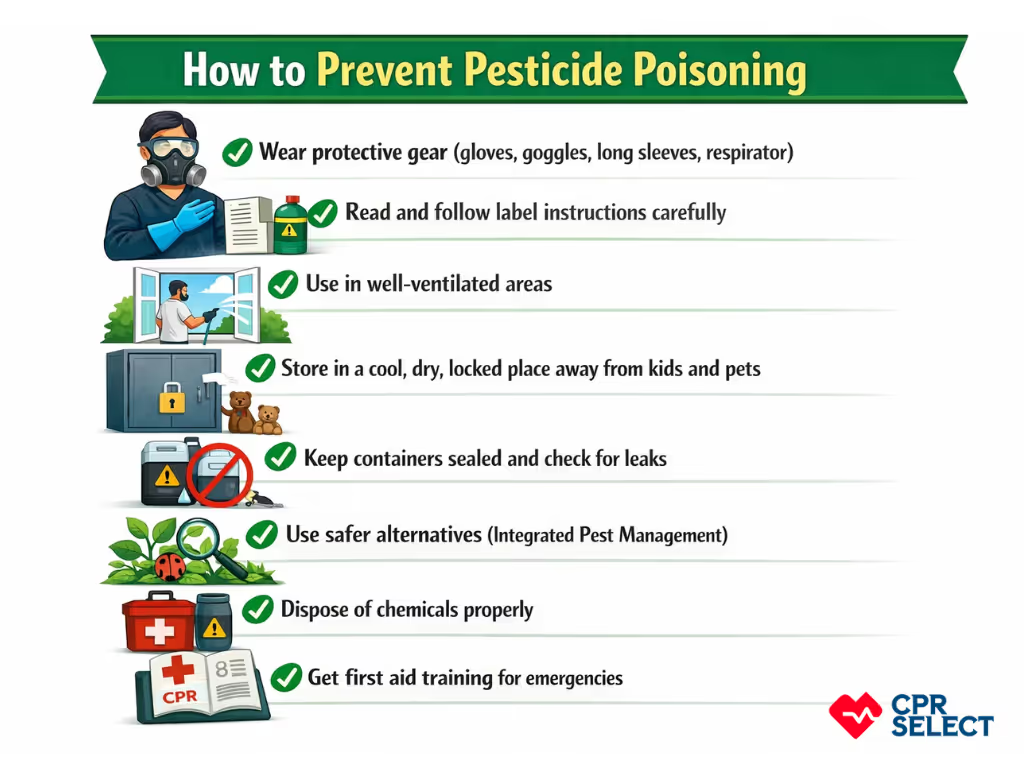
While accidents can happen, there are several steps you can take to reduce the risk of pesticide poisoning. Here are essential steps to minimize the risk of pesticide exposure:
Use Protective Gear: Always wear the appropriate personal protective equipment (PPE), such as gloves, goggles, long sleeves, and respirators when applying pesticides or handling pesticide containers.
Follow Manufacturer Instructions: Carefully read and follow all instructions on pesticide labels. This includes the correct amount to apply, safe handling, and recommended personal safety measures.
Apply Pesticides in Well-Ventilated Areas: When using pesticides indoors or in confined spaces, ensure proper ventilation. Avoid inhaling fumes by keeping windows open or using exhaust fans.
Store Pesticides Safely: Store all pesticides in a secure, cool, and dry location, away from food, children, and pets. Always check for leaks or damaged containers.
Keep Pesticides Out of Reach: Store pesticides in a locked cabinet, away from children or individuals who may not recognize the hazards.
Use Integrated Pest Management (IPM): Consider using environmentally friendly alternatives such as natural pesticides or traps as part of an Integrated Pest Management strategy to reduce the need for chemical exposure.
Disposal and Cleaning: Properly dispose of pesticide containers and leftover chemicals according to local regulations. Always clean equipment thoroughly after use.
First Aid Training: Ensure you and others handling pesticides are trained in first aid and emergency procedures. This will help minimize the damage in case of accidental exposure.
Preventing pesticide poisoning involves a combination of proper handling, safety precautions, and training. By following these preventative measures, the risk of pesticide poisoning can be significantly reduced, keeping individuals and communities safe from harmful exposure.
Get CPR Certified in Minutes for as low as $19.95
Join thousands of professionals that have been certified online with us
No. Pesticide poisoning should not be fully treated at home. You can provide immediate first aid, such as moving the person to fresh air, removing contaminated clothing, and rinsing the skin or eyes thoroughly. However, medical evaluation is still necessary to ensure there are no serious or delayed complications. If symptoms are severe, worsening, or include breathing problems, confusion, or persistent vomiting, seek emergency medical care right away.
What should I do if I am unsure about the pesticide involved?
Do not delay seeking help. Call Poison Control Centers (in the U.S., 1-800-222-1222) or emergency services and explain the situation. Provide as much information as possible about where and how the exposure occurred. If available, bring the pesticide container or label to medical professionals for accurate identification and treatment.
How can I prevent pesticide poisoning in my workplace?
Follow all safety protocols, including wearing proper personal protective equipment (PPE), ensuring good ventilation, and adhering to label instructions. Store chemicals securely and dispose of them properly. Employers should provide regular safety training and first aid education to ensure workers know how to prevent and respond to exposures.
How long does pesticide poisoning last
The duration depends on the type of pesticide, the amount of exposure, and the person’s overall health. Mild symptoms may resolve within hours, while more serious exposures can require days or longer for recovery and medical monitoring. Some severe cases may lead to long-term health effects.
What is organophosphate poisoning?
Organophosphate poisoning occurs after exposure to insecticides that act as acetylcholinesterase inhibitors. These chemicals interfere with nerve signaling and may cause excessive salivation, sweating, muscle twitching, seizures, and breathing failure. Severe cases may require medical antidotes administered in a hospital setting.
Are there medical antidotes for pesticide poisoning?
Yes. Some pesticides, especially organophosphates and carbamates, can be treated with specific medical antidotes in a healthcare facility. Treatment may also include supportive care such as oxygen therapy, IV fluids, or in rare cases, gastric lavage under strict medical supervision.
What regulations protect workers from pesticide exposure?
The Worker Protection Standard (WPS) is an Environmental Protection Agency (EPA) pesticide safety regulation established under the Federal Insecticide, Fungicide, and Rodenticide Act (FIFRA). It is implemented and enforced through EPA and state programs. The WPS requires agricultural employers to provide pesticide safety training, proper personal protective equipment (PPE), restricted-entry intervals, and access to decontamination supplies to reduce worker exposure.
Pesticide poisoning is a serious health risk, but understanding how to respond quickly can save lives. Always ensure proper safety measures are in place and seek professional help as soon as symptoms of poisoning occur. Follow the first aid steps outlined in this guide and act quickly to minimize the harm caused by pesticide exposure. For more information on pesticide safety and first aid, consider enrolling in a certified first aid course. Stay prepared and safe.


.avif)
.avif)
.avif)
.avif)