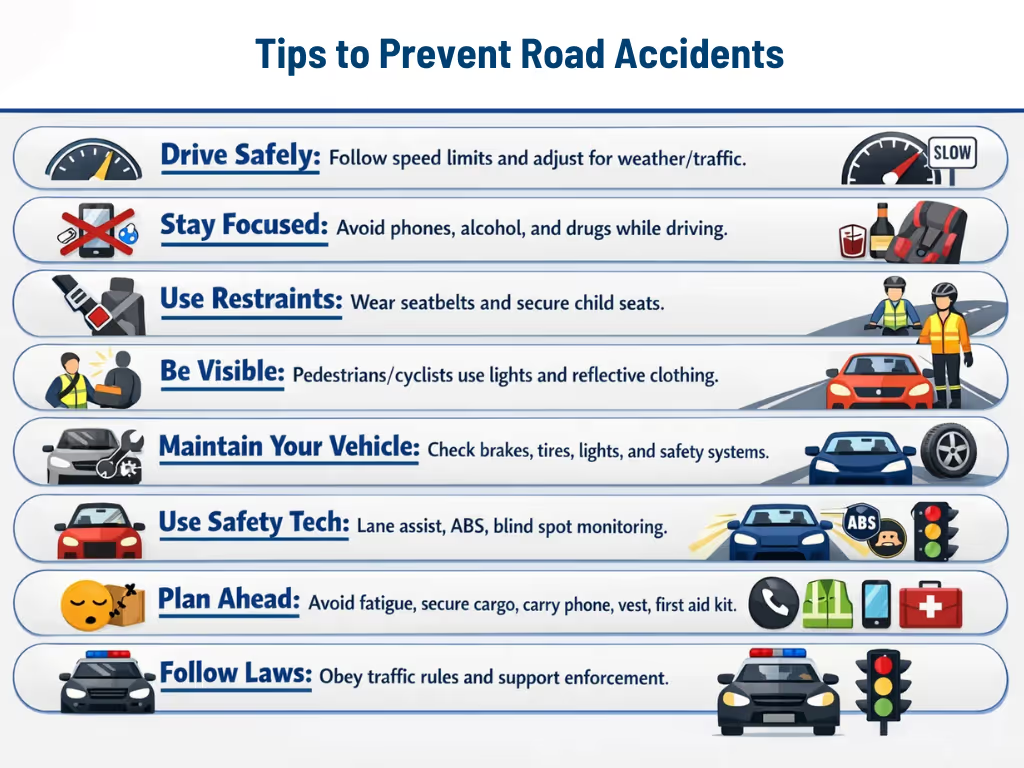
A road accident can cause serious injuries such as severe bleeding, fractures, head injuries, burns, and spinal injuries. Knowing what to do in the first few minutes can help protect the injured person until emergency medical services arrive.
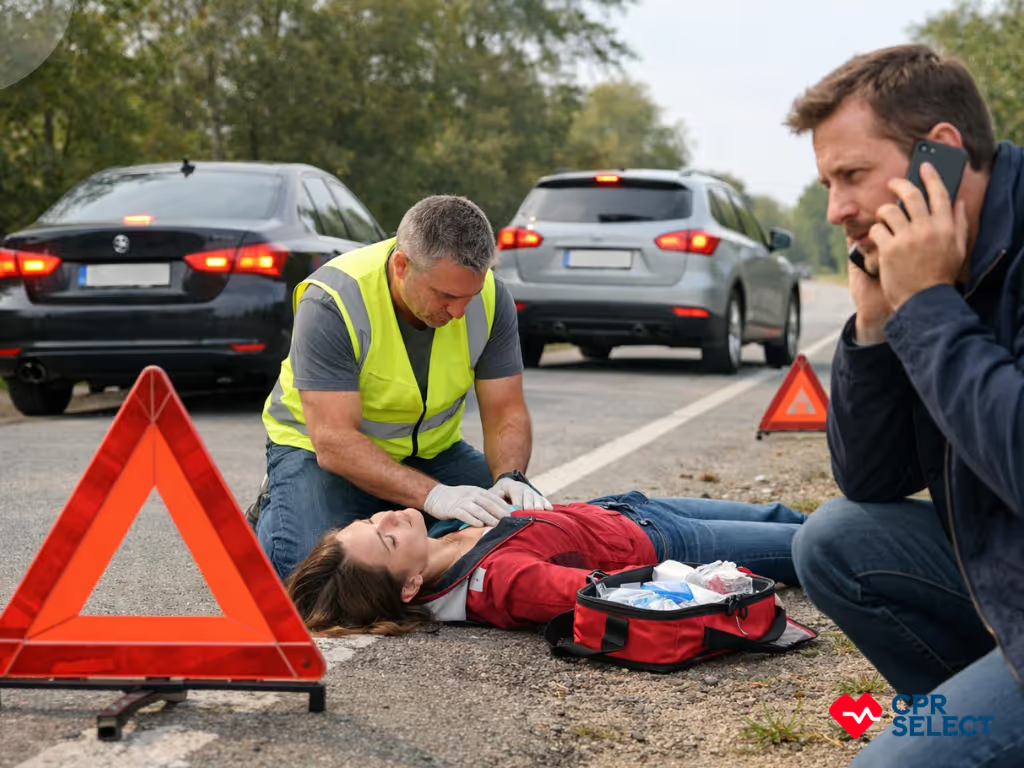
If you witness a road accident, make sure the scene is safe, call emergency services, and avoid unnecessary movement of injured people unless they are in immediate danger.
What to Do After a Road Accident?
- Check the scene for danger
- Call emergency services
- Check the person's responsiveness and breathing
- Control life-threatening bleeding
- Keep injured people still when a spinal injury is suspected
- Provide CPR if the person is unresponsive and not breathing normally
- Continue monitoring the person until help arrives
First Aid for Road Accidents
First aid in road accidents is an emergency response that provides immediate, on-site care to preserve life and reduce the risk of serious complications. Timely action in the minutes after a crash can prevent deterioration while professional medical help is on the way.
The purpose of first aid in road accidents is casualty stabilization and preparation for advanced care. Early priorities include ensuring scene safety, securing the airway, controlling severe bleeding, supporting breathing and circulation, and minimizing spinal movement when injury is suspected. Care is often delivered in time-critical, improvised settings by bystanders or trained responders, using a simple structured approach and prompt activation of emergency services.
What are the Common Injuries in Road Accidents?
Common injuries in road accidents include head injuries, long-bone fractures, external bleeding, burns, and spinal injuries. These injuries result from sudden impact, rapid deceleration, and contact with vehicle interiors or road surfaces.
- Bleeding: Bleeding often appears as visible wounds, soaked clothing, or active blood loss. First aid focuses on applying direct pressure with a clean dressing and using a tourniquet for severe limb bleeding, as uncontrolled hemorrhage is immediately life-threatening.
- Fractures: Fractures commonly present with pain, swelling, deformity, or inability to move the limb. Suspected fractures should be gently immobilized in the position found, securing joints above and below the injury, and referred for urgent medical care if open or unstable.
- Burns: Burns may occur from vehicle fires or hot surfaces and can present as redness, blistering, or charred skin. First aid involves cooling the burn with running water, removing tight items if safe to do so, covering with a sterile non-adhesive dressing, and preventing heat loss.
- Head injuries: Head injuries may involve altered consciousness, headache, nausea, or visible scalp wounds. First aid includes monitoring airway and breathing, checking responsiveness, observing for vomiting or worsening symptoms, and preparing for urgent medical care if the condition declines.
- Spinal injuries: Spinal injuries may present as neck or back pain, weakness, or loss of sensation after a high-impact crash. The casualty should be kept still, with manual head and neck support, until trained responders take over, as improper movement can worsen injury.
These common injuries in road accidents will be prioritized based on the initial assessment. Recognizing them helps responders decide what actions are urgent.
Internal Bleeding After a Road Accident
Internal bleeding can occur after blunt or penetrating trauma and may not be immediately obvious. Possible warning signs include:
- Abdominal swelling or tenderness
- Bruising
- Vomiting blood
- Coughing blood
- Blood in the urine
- Pale, cool, or clammy skin
- Rapid breathing
- Weakness or dizziness
- Altered responsiveness
- Signs of shock
Suspected internal bleeding requires urgent medical attention.
Head Injuries After a Road Accident
A crash can cause a concussion or other traumatic brain injury even when there is no obvious wound.
Watch for:
- Loss of consciousness
- Confusion
- Severe or worsening headache
- Repeated vomiting
- Seizures
- Difficulty speaking
- Weakness or numbness
- Problems with balance
- Changes in behavior or alertness
- Blood or fluid coming from the nose or ears
Don't ask someone with a suspected head, neck, or spinal injury to move unnecessarily.
Assessing the Scene
Assessing the scene is important because it protects the responder and prevents additional injuries. Before approaching, quickly scan for dangers such as moving traffic, fire or smoke, and fuel or chemical leaks. These hazards can seriously harm both the victim and the rescuer and may require waiting for emergency services or moving to a safer position before providing care.
Once hazards are checked, protect yourself by staying visible, positioning away from traffic and smoke, and using gloves or basic protection if available. Call emergency services early with clear details about the location, number of casualties, and visible risks, and manage bystanders to keep the area clear. A safe, controlled scene allows effective first aid and ensures care can continue until professional help arrives.
Step-by-Step First Aid for Road Accident Victims
After a road accident, your actions can make a critical difference for everyone involved. Here’s a clear, step-by-step guide:
- Call for help: Contact emergency services immediately and provide the exact location and number of victims. If possible, delegate the call to another bystander while you begin first aid. Do not delay urgent actions such as controlling severe bleeding.
- Check responsiveness: Gently tap the shoulder and speak loudly to assess consciousness. This helps determine urgency and the need for airway or breathing support. Avoid unnecessary movement and stay alert to scene hazards.
- Open the airway: Use a technique that limits movement, such as a jaw thrust if a spinal injury is suspected, to keep the airway open. Balance airway management with spinal precautions and monitor closely.
- Control bleeding: Apply firm, direct pressure to external bleeding using a clean dressing or cloth. Continue pressure until bleeding stops or help arrives. Use protective barriers when available and avoid actions that may worsen other injuries.
- Immobilize fractures: Support injured limbs in the position found and use splints or manual support to limit movement. Avoid unnecessary repositioning, especially if a spinal injury is suspected.
- Monitor breathing: Continuously observe breathing and responsiveness for any changes. Reassess regularly and be prepared to initiate CPR if breathing stops until emergency responders take over.
These steps form a prioritized approach to stabilize traffic accident victims before emergency teams arrive. Responders should balance speed with safety and provide a clear handover of observations and care given to arriving professionals.
Do’s and Don’ts in Road Accident First Aid
These do’s and don’ts highlight safe first aid actions at road accident scenes and help prevent secondary injuries. Each point contrasts what a responder should do with what they should avoid, based on common roadside emergencies and safety priorities.

Do’s in Road Accident First Aid
- Ensure the scene is safe before approaching.
- Call emergency services immediately with clear details.
- Control severe bleeding using direct pressure or a tourniquet if trained.
- Keep the airway open and monitor breathing.
- Stabilize the head and neck if spinal injury is suspected.
- Keep the victim still, warm, and calm.
- Secure impaled objects in place with padding.
- Cool burns with clean running water and cover with a sterile dressing.
- Start CPR if the victim is unresponsive and not breathing normally.
- Communicate calmly and provide accurate handover to responders.
.avif)
Don’ts in Road Accident First Aid
- Don’t enter an unsafe scene with traffic, fire, or fuel hazards.
- Don’t delay calling emergency services or assume others have called.
- Don’t ignore heavy bleeding or use unsafe compression methods.
- Don’t insert objects into the victim’s mouth or force head movement.
- Don’t move the victim unnecessarily, especially if spinal injury is suspected.
- Don’t give food, drink, or alcohol.
- Don’t remove impaled objects.
- Don’t apply creams, oils, or home remedies to burns.
- Don’t delay CPR or perform improper techniques.
- Don’t panic, shout, or give unqualified medical diagnoses.
Special Considerations for Spinal Injuries
Suspected spinal injury after a road traffic accident requires avoiding unnecessary movement to prevent further harm. Only move the casualty if the scene poses immediate danger, such as fire, explosion risk, or unstable wreckage. Stabilize the head and neck in a neutral position using manual support, while keeping the casualty calm and monitoring breathing.
If professional help is delayed, maintain verbal contact, cover the casualty to prevent hypothermia, and perform airway maneuvers carefully if needed. When relocation is unavoidable, use controlled techniques like the log roll or scoop method, coordinating with others to maintain spinal alignment. Clear communication with emergency responders about injury signs, interventions, and changes in condition ensures proper care and continuity.
First Aid for Motorcycle Accident Victims
Motorcycle crashes can involve head, neck, spinal, and limb injuries. Before approaching, make sure the scene is safe. If the rider is wearing a helmet:
- Do not remove the helmet unless necessary to provide CPR or manage the airway.
- Tell the person not to move if a spinal injury is suspected.
- Monitor breathing and responsiveness.
- Control life-threatening bleeding.
- Wait for emergency responders whenever possible.
First Aid for Pedestrian and Cyclist Accidents
A person struck by a vehicle can suffer serious head, spinal, internal, and limb injuries even when external injuries appear minor.
Treat the scene as potentially serious and:
- Make sure traffic hazards are controlled.
- Call emergency services.
- Avoid unnecessary movement.
- Check responsiveness and breathing.
- Control severe bleeding.
- Monitor the person until help arrives.
When Should You Perform CPR After a Road Accident?
Start CPR if the person is unresponsive and not breathing normally, or gasping.as these indicate immediate failure of oxygenation or circulation. Scene challenges such as traffic noise, multiple injuries, or awkward positions may make assessment difficult. If breathing or pulse cannot be clearly determined quickly, start chest compressions without delay. Exceptions include obvious signs of death (rigor mortis, decapitation), valid do-not-resuscitate orders, or unsafe conditions like fire, chemical spills, or ongoing traffic.
CPR may need coordination with other responders. Priority tasks like severe bleeding control, airway management, or moving victims from danger are important. Start chest compressions promptly when indicated, unless exceptions apply, and follow safe delegation and communication with emergency services to maximize survival until professional help arrives.