What is Sepsis: Recognizing the Signs to Save Lives

Sepsis sometimes begins with a small wound, a mild infection, or flu-like symptoms that seem easy to ignore. But when the body’s response to infection goes awry, sepsis develops rapidly and becomes life-threatening within hours.

Knowing how to recognize sepsis early and what to do before help arrives makes a critical difference. This guide will discuss what sepsis is, the signs of sepsis, and when to act fast.

What Is Sepsis?

Sepsis is a life-threatening reaction to an infection. It happens when the body’s immune response goes into overdrive and starts damaging its own organs and tissues. Sepsis is not the infection itself. It is the body’s extreme response to that infection. Without fast medical care, sepsis quickly leads to organ failure, shock, and death.

Sepsis was once categorized into three stages: sepsis, severe sepsis, and septic shock. Today, doctors view it on a more continuous scale, starting from infection and bacteremia (bacteria in the bloodstream) and progressing to full-blown sepsis and septic shock. At its most severe, sepsis causes multiple organ dysfunction and becomes life-threatening if not treated promptly.

Why Sepsis Is a Medical Emergency

Sepsis is a medical emergency because it worsens incredibly fast. When the body releases chemicals to fight infection, they trigger widespread inflammation. Blood pressure drops. Oxygen and nutrients struggle to reach vital organs like the brain, heart, and kidneys.

Delays in sepsis treatment increase the risk of permanent organ damage, septic shock, or death. Early recognition and immediate action save lives.
signs of sepsis

What are the Signs of Sepsis?

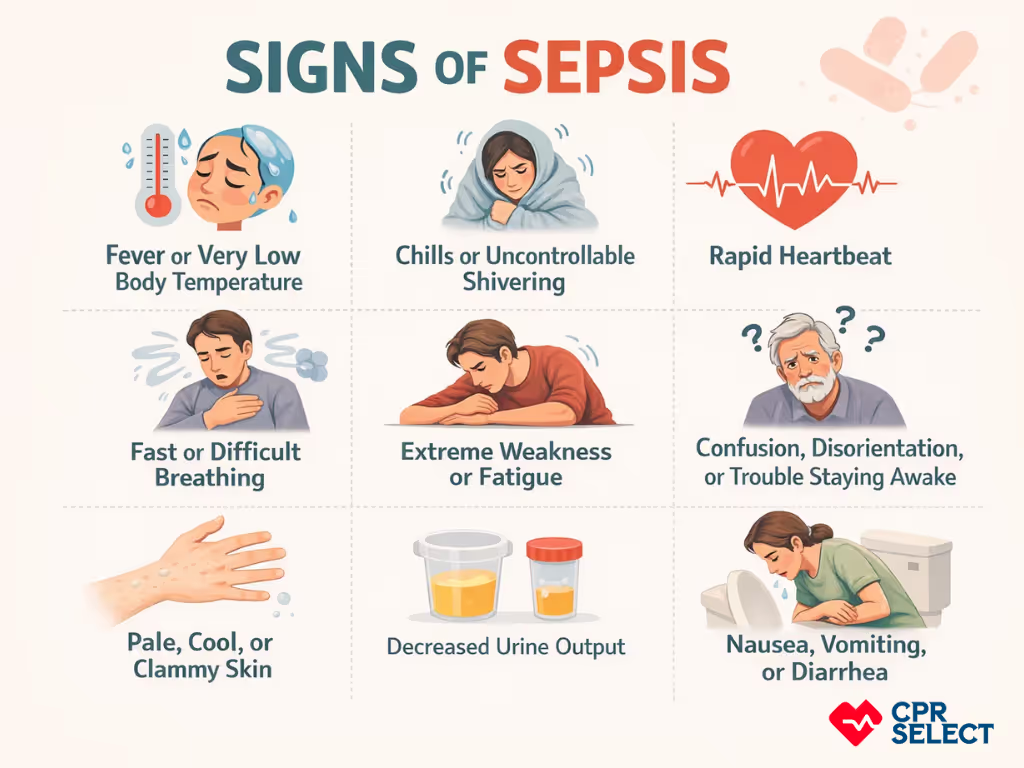
Common signs and symptoms include:

  • Fever or very low body temperature
  • Chills or uncontrollable shivering
  • Rapid heartbeat
  • Fast or difficult breathing
  • Extreme weakness or fatigue
  • Confusion, disorientation, or trouble staying awake
  • Pale, cool, or clammy skin
  • Decreased urine output
  • Nausea, vomiting, or diarrhea

In children and infants, signs and symptoms of sepsis include poor feeding, irritability, weak crying, or unusual sleepiness.

Seek emergency help immediately if these symptoms appear together, especially when there is a known or suspected bacterial infection. Sepsis can worsen quickly, and early treatment saves lives.

How do you get sepsis?

You get sepsis when an infection spreads or triggers an overwhelming immune response. The infection can start anywhere in the body and worsen if it is untreated, poorly treated, or if the immune system is weak. The most common causes of sepsis include:

  • Bacterial, viral, or fungal infections
  • Infected wounds or cuts
  • Pneumonia
  • Urinary tract infections (UTIs)
  • Abdominal infections
  • Infections following surgery or hospitalization

Any infection, no matter how small it seems, can progress to sepsis if left untreated.

Who Is at Higher Risk of Sepsis?

People with known sepsis risk factors include:

  • Infants and newborns
  • Older adults (65 and above)
  • People with chronic illnesses such as diabetes or kidney disease
  • Individuals with weakened immune systems
  • Recent surgery or hospital patients

Sepsis affects over 1.7 million people in the United States every year. It can occur in anyone, but older adults are at higher risk, and the likelihood increases with age, especially after 65. Rates can also vary across different demographic groups.

How to Recognize Sepsis Using the FAST or TIME Framework

How to Recognize Sepsis Using the FAST or TIME Framework

Simple frameworks help with sepsis recognition, especially for non-medical responders.

FAST

  • Face appears pale or drooping
  • Altered mental state or confusion
  • Shivering, severe pain, or muscle aches
  • Temperature too high or too low

TIME

  • Temperature abnormal
  • Infection present or suspected
  • Mental decline
  • Extremely unwell

If several signs appear together, act immediately.

Sepsis First Aid Steps

What to Do: Sepsis First Aid Steps

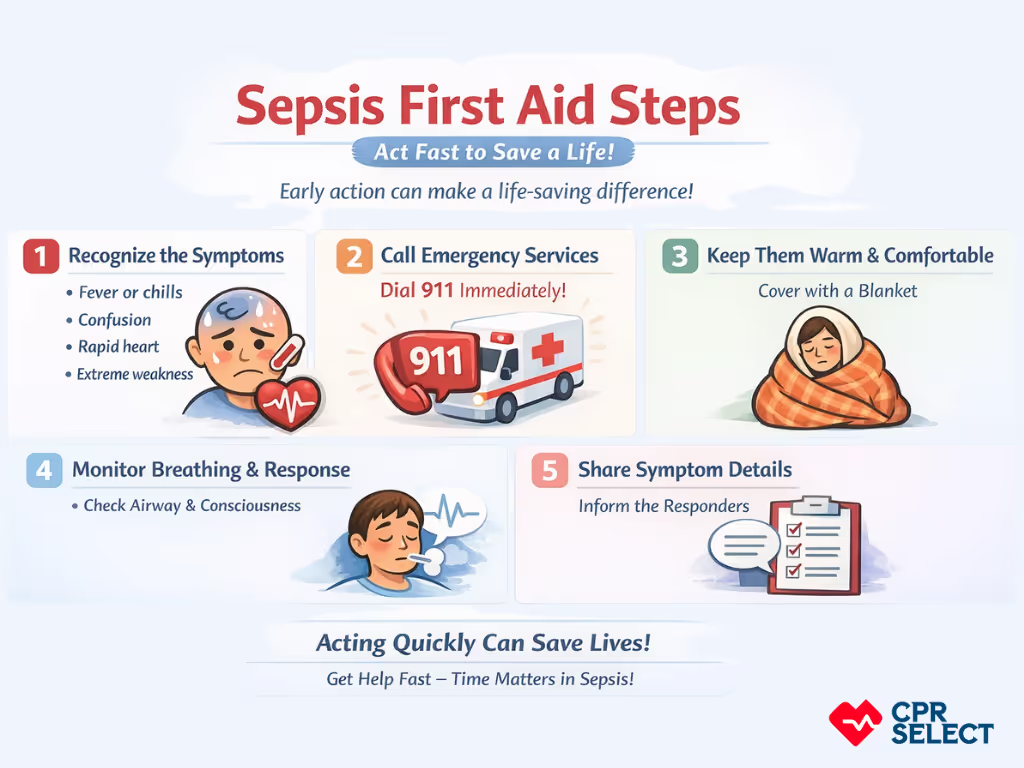
Sepsis first aid focuses on early action and rapid escalation. Sepsis is a medical emergency that can worsen quickly, so the goal of first aid is not to treat the infection, but to identify the warning signs and get professional help as fast as possible. Follow these steps if sepsis is suspected:

  1. Recognize the symptoms
  2. Call emergency services immediately
  3. Keep the person warm and comfortable
  4. Monitor breathing and responsiveness
  5. Share symptom details with responders

Taking fast, decisive action during the early stages of sepsis can make a life-saving difference while waiting for professional medical treatment.

1. Recognize the symptoms

Pay close attention to signs such as fever or very low body temperature, rapid breathing, fast heart rate, extreme weakness, confusion, or unusual sleepiness. Symptoms often appear after an infection, wound, surgery, or an illness such as pneumonia or a urinary tract infection. Trust your instincts—if the person looks seriously unwell or is getting worse quickly, act immediately.

2. Call emergency services immediately.

Do not wait to see if symptoms improve. Call emergency services right away and clearly state that you suspect sepsis. Early treatment is critical, and delays can be life-threatening. Follow the dispatcher’s instructions and stay on the line until medical help arrives.

3. Keep the person warm and comfortable.

Help the person lie down and rest. Use a blanket or jacket to keep them warm, but avoid overheating. Loosen tight clothing and keep them as calm as possible, since stress and exertion can worsen their condition.

4. Monitor breathing and responsiveness.

Watch the person’s breathing rate, level of alertness, and ability to respond. If they become difficult to wake, confused, or their breathing becomes labored, report this immediately to emergency responders. Be prepared to begin CPR if the person becomes unresponsive and is not breathing normally.

5. Share symptom details with responders

When help arrives, clearly communicate what symptoms you observed, when they started, and any known infections, recent injuries, surgeries, or chronic medical conditions. This information helps responders act faster and begin appropriate care.

When to Call the Emergency Services?

If sepsis is suspected, call emergency services without delay. Do not wait to see if symptoms improve. Sepsis does not resolve on its own.

What NOT to Do When Sepsis Is Suspected?

Avoid actions that can delay care or cause harm:

  • Do not wait for symptoms to “pass.”
  • Do not give unprescribed medications
  • Do not delay emergency transport
  • Do not assume it is just the flu
What NOT to Do When Sepsis Is Suspected

Can Sepsis Be Prevented?

While not all cases are preventable, sepsis prevention includes:

  • Practicing good hygiene
  • Proper wound care
  • Treating infections early
  • Staying up to date with vaccinations
  • Knowing when to seek medical care

Get CPR Certified in Minutes for as low as $19.95

Join thousands of professionals that have been certified online with us
100% Online Certification
Fast & Convenient
Instant Certification Card
Nationally Accepted
Get Started
5 star
4.87/5.00
from 259,205 reviews

CPR
Certification

Tailored for the community and workplace
$19.95
$24.95
Offer Expires:
date
Comprehensive CPR Training Across All Ages
Choking response training
Recovery position technique course

How is Sepsis Treated in the Hospital?

Sepsis requires urgent hospital care and cannot be treated at home. Treatment usually begins immediately and includes antibiotics to fight the infection, IV fluids to support blood pressure and circulation, oxygen support to help breathing, and continuous monitoring of vital signs and organ function. The goal is to stop the infection, support the body, and prevent organ failure. Early treatment greatly improves survival and recovery outcomes, which is why rapid recognition and emergency care are critical.

What are the long-term complications of sepsis?

Many people recover fully from sepsis with prompt treatment and return to normal life. However, some face lasting effects, known as post-sepsis complications. These can include:

  • Sleep disturbances such as insomnia, nightmares, or hallucinations
  • Anxiety, panic attacks, or mood changes
  • Persistent joint and muscle pain
  • Reduced cognitive abilities, including trouble learning, remembering, concentrating, or making decisions
  • Ongoing organ dysfunction or failure

Sepsis survivors are also at higher risk of developing sepsis again. Prompt treatment of any new infection is crucial to prevent repeat episodes.

Is blood poisoning the same as sepsis?

Yes. “Blood poisoning” is an older term for sepsis, describing the body’s extreme, life-threatening response to an infection in the bloodstream.

Is Sepsis Contagious?

No. Sepsis is not contagious. The infection that caused it may be contagious, but sepsis itself is the body’s response.

What are septic shock symptoms?

Septic shock is the most severe form of sepsis. Symptoms include:

  • Very low blood pressure
  • Cold, clammy, or pale skin
  • Rapid breathing or difficulty breathing
  • Confusion or loss of consciousness
  • Little or no urine output

Septic shock is immediately life-threatening and requires emergency care.

Is blood sepsis contagious?

No. Blood sepsis (also called a bloodstream infection) is not contagious. Sepsis occurs when bacteria or other germs enter the bloodstream and trigger a severe immune response inside the body. It cannot be spread through contact, coughing, or sharing personal items. However, the original infection that led to sepsis, such as pneumonia or a wound infection, may be contagious depending on the cause.

What is the most common cause of sepsis?

The most common cause of sepsis is pneumonia, an infection of the lungs. Other frequent causes include urinary tract infections (UTIs), abdominal infections, and skin or wound infections. Any untreated or poorly managed infection can progress to sepsis, especially in people with weakened immune systems.

Can sepsis lead to kidney failure?

Yes. Sepsis impairs blood flow to the kidneys, leading to acute kidney injury. Hospital treatment includes dialysis to support kidney function until recovery. Organ dysfunction in sepsis occurs when organs like the kidneys, lungs, or liver start failing due to the body’s overwhelming response to infection.

Can First Aid Cure Sepsis?

No. First aid cannot cure sepsis, and it does not replace hospital treatment. Sepsis requires urgent medical care such as intravenous antibiotics, fluids, and close monitoring. First aid plays a critical role by helping responders recognize warning signs early, keep the person stable, and ensure immediate activation of emergency services, which can be life-saving.

What lab tests are done for sepsis?

Doctors often order blood tests, including blood cultures, white blood cell counts, lactate levels, and other markers to monitor organ function. Imaging tests like CT scans help locate the source of viral infection.

How long does it take to die from sepsis?

Sepsis can become deadly within hours to days if treatment is delayed. In severe cases, especially septic shock, organ failure develops rapidly. According to the Cleveland Clinic, Septic shock can cause death in as little as 12 hours. Mechanical ventilation is a life support system that helps patients breathe when sepsis causes respiratory distress or lung failure. It is typically used in intensive care units.

Basic Life Support skills, such as recognizing abnormal breathing, monitoring responsiveness, supporting airway and breathing, and activating emergency medical services early, help stabilize the person and prevent rapid deterioration while waiting for advanced medical care.

What is the life expectancy for someone after surviving sepsis?

Surviving sepsis doesn’t always mean the risk is over. Many people face higher chances of serious health problems or death in the months and years afterward. Researchers aren’t entirely sure whether this increased risk is caused directly by sepsis or by underlying health conditions. Studies suggest that life expectancy varies widely, but more than half of sepsis survivors might die within five years.

If you survive sepsis, you’ll likely need a period of rehabilitation before returning home. Your body has endured significant stress, and healthcare providers will guide you in restoring your strength and independence. Initially, even simple movements like sitting up or standing may be challenging. During rehab, you’ll work with providers to rebuild mobility, practice daily activities such as bathing and using the bathroom, and gradually regain your strength. Once your body has recovered enough, you’ll be ready to safely return home.