Shellfish Poisoning First Aid: Symptoms, Treatment, and Emergency Response
Author:
CPR Select Editorial Team
Last updated:
2/17/2026
Shellfish is a popular seafood choice enjoyed around the world, but under certain conditions, it can pose serious health risks. Shellfish poisoning occurs when contaminated shellfish contain natural marine toxins that can affect the digestive and nervous systems. Because these toxins are invisible, odorless, and resistant to cooking, people may not realize they are at risk until symptoms begin.
Understanding how shellfish poisoning happens, what symptoms to watch for, and what first aid steps to take is essential for a quick and effective response. While many cases are mild, some forms can become life-threatening, especially if breathing is affected. This guide explains the types, symptoms, treatment steps, and prevention strategies to help you stay informed and prepared.
What Is Shellfish Poisoning?
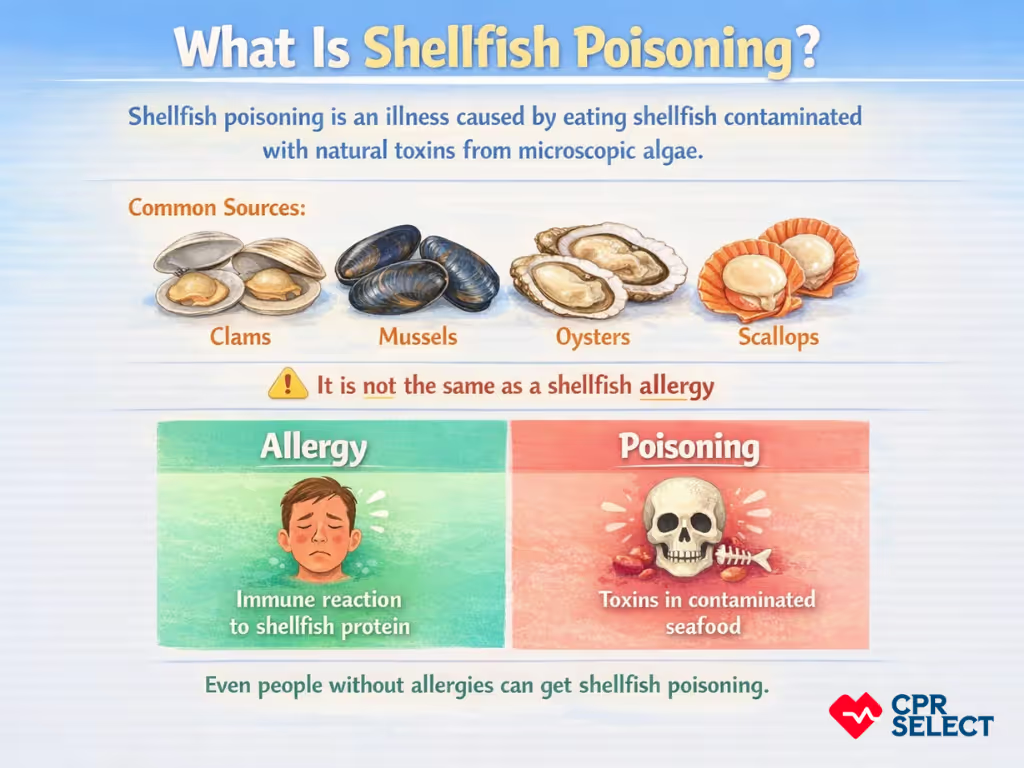
Shellfish poisoning is an illness caused by eating contaminated shellfish that contain natural toxins. These toxins are typically produced by microscopic algae and accumulate in shellfish such as clams, mussels, oysters, and scallops.
It is important to clarify that shellfish poisoning is not the same as a shellfish allergy. An allergy is an immune system reaction to shellfish proteins, while poisoning occurs from ingesting toxins present in contaminated seafood. Someone without a shellfish allergy can still develop shellfish poisoning if the seafood contains toxins.
What are the Types of Shellfish Poisoning?
There are several recognized types of shellfish poisoning, including:
Paralytic Shellfish Poisoning (PSP): Caused by saxitoxins produced during harmful algal blooms. It primarily affects the nervous system and can cause tingling, muscle weakness, paralysis, and in severe cases, respiratory failure.
Diarrhetic Shellfish Poisoning (DSP): Caused by toxins that irritate the digestive system. It typically leads to nausea, vomiting, diarrhea, and abdominal cramps but is rarely life-threatening.
Neurotoxic Shellfish Poisoning (NSP): Associated with toxins produced during red tide events, particularly by Karenia brevis. It can cause both gastrointestinal symptoms and neurological effects such as tingling, dizziness, and coordination problems.
Amnesic Shellfish Poisoning (ASP): Caused by domoic acid, a toxin that can affect the brain. In addition to digestive symptoms, it may lead to confusion, memory loss, seizures, and other neurological complications.
Each type is caused by different toxins and may produce varying digestive and neurological symptoms. Severity ranges from mild illness to life-threatening complications.
Shellfish Poisoning vs Shellfish Allergy
An allergy triggers an immune response and may cause hives, swelling, and anaphylaxis. Poisoning is toxin-related and often causes digestive and neurological symptoms.
Allergic reactions may occur within minutes and often involve skin swelling and breathing difficulty due to an immune response. Poisoning typically includes nausea, vomiting, diarrhea, and tingling caused by toxins.
Both conditions can be serious, but treatment approaches differ.
What are the Common Causes of Shellfish Poisoning?
The primary causes of shellfish poisoning involve consuming contaminated seafood harvested from toxin-affected waters. Common causes include:
Eating raw or undercooked shellfish
Harvesting shellfish during harmful algal blooms (red tide)
Improper storage allows toxin accumulation
Consuming recreationally harvested shellfish from unmonitored areas
Purchasing seafood from unreliable sources
Toxins are odorless and tasteless, meaning contaminated shellfish may look and smell normal.
What are the Early Signs and Symptoms of Shellfish Poisoning?
Common shellfish poisoning symptoms often begin within minutes to hours after eating contaminated seafood.
Digestive symptoms:
Nausea
Vomiting
Diarrhea
Abdominal cramps
Neurological symptoms:
Tingling in the lips, tongue, or fingers
Dizziness
Headache
Weakness
Symptoms vary depending on the toxin involved. Recognizing symptoms quickly and responding appropriately can prevent serious complications.
First aid training teaches individuals how to identify poisoning symptoms, activate emergency services, and monitor airway and breathing until help arrives.
What are the Severe Symptoms That Require Immediate Help?
A shellfish poisoning emergency may include:
Difficulty breathing
Trouble swallowing
Slurred speech
Muscle paralysis
Severe dehydration
Loss of consciousness
Breathing difficulty is especially serious and requires immediate medical attention.
How Shellfish Poisoning Affects the Body?
Shellfish toxins interfere with normal nerve and digestive system function. Some toxins affect the gastrointestinal tract, causing vomiting and diarrhea. Others disrupt nerve signaling, leading to tingling, muscle weakness, or paralysis.
In severe cases, toxins can affect respiratory muscles, making it difficult to breathe. Effects depend on the amount consumed and the individual’s health.
Shellfish Poisoning First Aid
Providing shellfish poisoning first aid quickly can reduce complications.
Stop exposure immediately.
Assess symptoms.
Call for medical guidance.
Monitor airway and breathing.
Prevent dehydration if the person is alert.
Act quickly if neurological or breathing symptoms appear.
1. Stop Eating the Shellfish
If poisoning is suspected, stop eating shellfish immediately. Remove the contaminated food from reach to prevent further ingestion and ensure no one else consumes it. If possible, keep the remaining shellfish in case public health officials request testing.
Avoid giving additional food until nausea and vomiting settle. Continuing to eat may worsen symptoms or delay recovery.
2. Call Emergency Services or Poison Control
Contact Poison Control (U.S. 1-800-222-1222) for immediate guidance if symptoms develop. They can provide instructions based on the type of exposure and severity of symptoms.
Call emergency services right away if the person experiences:
Difficulty breathing
Muscle weakness
Trouble speaking or swallowing
Severe dizziness
Persistent vomiting
Confusion or decreased responsiveness
Prompt medical care is essential because certain shellfish toxins can progress quickly and may require respiratory support.
3. Monitor Airway, Breathing, and Consciousness
Continuously monitor the person’s airway and breathing. Look for signs of distress such as shallow breathing, gasping, bluish lips, or inability to speak clearly.
If the person becomes unconscious but is breathing, place them in the recovery position on their side to help prevent choking.
If breathing stops:
Call emergency services immediately.
Begin CPR.
Use an AED if one is available.
Basic Life Support priorities always focus on airway, breathing, and circulation. Rapid intervention can be lifesaving in cases involving neurotoxic shellfish poisoning.
4. Prevent Dehydration if the Person Is Alert
If the person is awake, alert, and not vomiting excessively, offer small sips of clear fluids such as water or an oral rehydration solution. Avoid large amounts at once, which may trigger more vomiting. Watch for signs of dehydration, including:
Dry mouth
Decreased urination
Dark-colored urine
Fatigue
Dizziness when standing
Seek medical care if dehydration worsens, especially in children or older adults.
What NOT to Do for Shellfish Poisoning
Avoid these common shellfish poisoning mistakes:
Do not induce vomiting unless directed by medical professionals
Do not ignore tingling, weakness, or neurological symptoms
Do not give alcohol or caffeinated beverages
Do not delay seeking medical help if symptoms worsen
Do not assume cooking destroyed the toxin
Do not leave the person unattended if symptoms are progressing
Taking the wrong action can delay proper treatment and increase the risk of complications. Prompt, calm, and informed response makes a significant difference in recovery.
Can Shellfish Poisoning Be Prevented?
Yes, shellfish poisoning can often be prevented by purchasing shellfish from reputable, regulated suppliers and avoiding recreational harvesting in areas without active monitoring. Always follow local health advisories during red tide or harmful algal bloom events, refrigerate seafood promptly, and avoid eating raw or undercooked shellfish. Keep in mind that cooking does not reliably destroy marine toxins, so safe sourcing is the most important preventive step.
What Does CPR Select Recommend to Prevent Shellfish Poisoning?
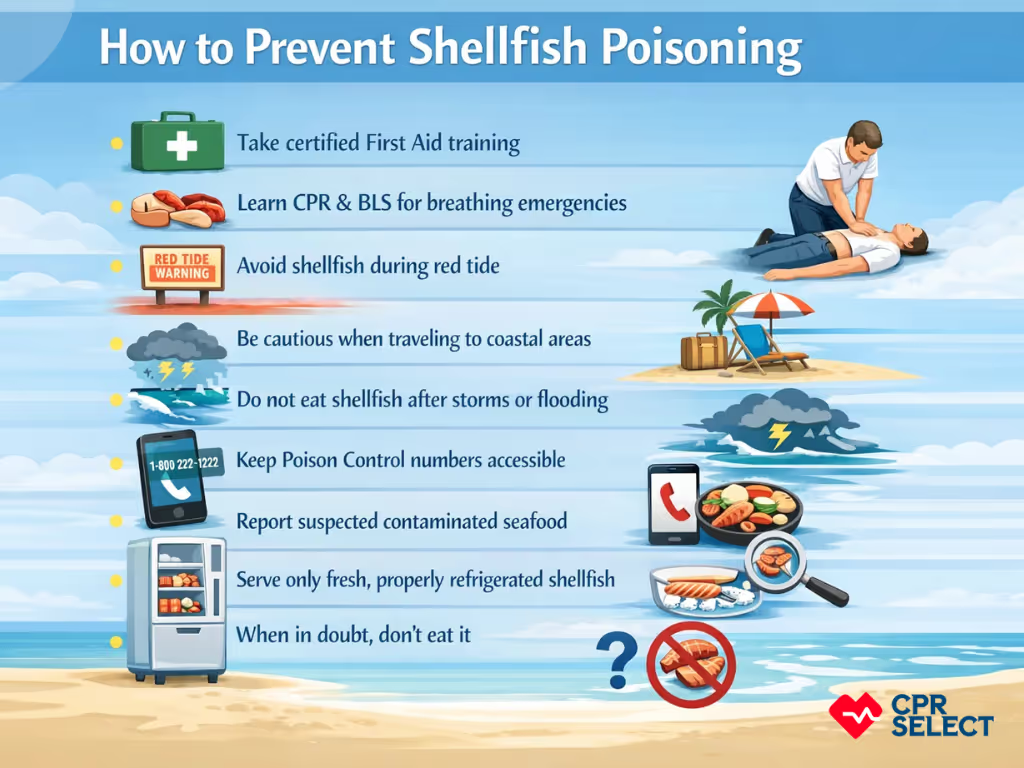
CPR Select recommends going beyond basic food safety by combining prevention, awareness, and emergency preparedness. In addition to safe sourcing and storage practices, consider the following protective steps:
Take certified first aid training to recognize poisoning symptoms and respond quickly
Learn CPR and Basic Life Support (BLS) in case breathing complications occur
Educate family members about the risks of eating shellfish during red tide events
Be cautious when traveling to coastal areas where monitoring standards may differ
Avoid eating shellfish collected from beaches after storms or flooding
Keep emergency numbers, including Poison Control, easily accessible
Report suspected contaminated seafood to local health authorities
If hosting gatherings, verify that shellfish is fresh and properly refrigerated before serving
When in doubt about seafood safety, do not consume it
Preparedness is just as important as prevention. CPR Select emphasizes that knowing how to act in an emergency can significantly reduce complications and potentially save lives.
Get CPR Certified in Minutes for as low as $19.95
Join thousands of professionals that have been certified online with us
Paralytic shellfish poisoning (PSP) is a severe type of shellfish poisoning caused by toxins produced during harmful algal blooms. These toxins affect the nervous system and can lead to tingling, muscle weakness, paralysis, and in severe cases, respiratory failure. Symptoms often begin within minutes to a few hours after eating contaminated shellfish.
What causes paralytic shellfish poisoning?
Paralytic shellfish poisoning is caused by saxitoxins produced by certain marine algae. Shellfish such as clams, mussels, oysters, and scallops filter these algae and accumulate the toxins. When contaminated shellfish are eaten, the toxins interfere with nerve signaling in the body.
How long does shellfish food poisoning last?
Most mild cases of shellfish food poisoning last between 1 and 3 days. Symptoms such as nausea, vomiting, and diarrhea typically improve within 24 to 72 hours. However, neurological forms may last longer and require medical care.
Where does neurotoxic shellfish poisoning occur?
Neurotoxic shellfish poisoning (NSP) most commonly occurs in coastal areas affected by harmful algal blooms, especially during red tide events. It is frequently reported in the Gulf of Mexico, Florida coastline, and other warm coastal waters worldwide.
What is domoic acid poisoning?
Domoic acid poisoning, known as amnesic shellfish poisoning, occurs when shellfish contain high levels of domoic acid, a toxin produced during certain algal blooms. This toxin can affect neural tissue, potentially leading to memory loss, confusion, seizures, and other neurological disorders. In severe cases, patients may require care in an emergency room or even an intensive care unit. Diagnosis may involve testing by clinical laboratories, and treatment focuses on supportive care since there is no specific antidote. Monitoring of domoic acid concentration in coastal waters helps prevent outbreaks of this serious form of shellfish poisoning.
Are shellfish poisonous?
Shellfish are not naturally poisonous under normal conditions. They become dangerous when they accumulate marine toxins produced by algae. These toxins are invisible, odorless, and cannot be reliably destroyed by cooking.
Can you die from shellfish poisoning?
Yes, although rare, severe cases, especially paralytic shellfish poisoning, can be fatal if breathing becomes compromised. Rapid medical treatment significantly reduces the risk of death.
How common is paralytic shellfish poisoning?
Paralytic shellfish poisoning is relatively rare but occurs worldwide in regions experiencing algal blooms. Public health monitoring programs help reduce outbreaks by closing affected harvesting areas.
How common is shellfish poisoning?
Shellfish poisoning is uncommon in areas with strong seafood monitoring systems. However, cases still occur each year, particularly from recreational harvesting or during red tide events.
When should someone go to the emergency room for shellfish poisoning?
Seek immediate medical care in an emergency room if symptoms include difficulty breathing, chest tightness, confusion, severe weakness, or signs of respiratory arrest. Severe cases may require advanced emergency medicine interventions and monitoring by health care providers trained to manage shellfish poisoning syndromes. Early evaluation is critical because toxins such as those found in shellfish contaminated with saxitoxin can affect the nervous system rapidly. Prompt treatment improves outcomes and reduces the risk of life threatening complications.


.avif)