

Learn essential first aid skills and earn your First Aid Certification online. Our self-paced First Aid course teaches you how to recognize common emergencies, provide appropriate first aid, and respond while waiting for professional medical help.
What Is First Aid?
First Aid is the immediate assistance or treatment given to someone who is injured or suddenly ill before professional medical help arrives. In certain emergencies, early first aid can significantly affect outcomes. Prompt actions such as controlling severe bleeding, assisting a choking victim, or beginning CPR until emergency services arrive can help reduce complications and improve survival chances.h. Quick and appropriate First Aid save lives, prevent injuries from worsening, and promote faster recovery.
At CPR Select, we are driven by a mission to provide high-quality First Aid training to individuals, businesses, and communities. Our dedication lies in empowering people with the confidence and skills required to respond effectively during emergencies.
Our Quality Standards
CPR Select First Aid content is developed for educational use and is aligned with current, widely recognized first aid guidance, including recommendations published by organizations such as the American Heart Association (AHA) and the American Red Cross.
Course content is reviewed periodically to reflect guideline updates and best-practice recommendations. Updates are made as new guidance becomes available.
Importance of First Aid
Understand why First Aid is crucial in everyday life. Delve into the significance of immediate response, the role of First Aid in preventing complications, and its impact on community safety. Gain insights into the psychological and social importance of being a trained First Aider.
A trained first aider’s expertise contributes to safer homes, workplaces, and communities by enabling faster and more appropriate responses to emergencies.
First Aid Emergencies
Through the following sections, we will delve into specific medical emergencies, exploring the signs, symptoms, and appropriate first aid measures for each situation:
Heart Attack
A heart attack is a life-threatening medical event that occurs when the blood supply to the heart muscle is blocked. The signs and symptoms may include chest pain, shortness of breath, and nausea. Call 911 immediately. If the person becomes unresponsive and is not breathing normally, begin CPR until help arrives. If the person is responsive, monitor their condition and follow emergency dispatcher instructions.
Knowing how to recognize these signs and respond promptly can save a life.
Stroke
Strokes are often referred to as "brain attacks" and can result in severe consequences if not treated immediately. Being able to recognize the signs, such as facial drooping, arm weakness, and speech difficulties, is crucial. Call for emergency medical help as soon as possible when someone shows these symptoms. Time is of the essence in reducing the potential damage caused by a stroke.
What are the common signs and symptoms of a stroke?
Common signs of a stroke include sudden slurred speech, inability to lift one arm or weakness on one side of the body, and drooping on one side of the face. Additionally, sudden severe headaches, dizziness, or difficulty walking can be signs of a stroke. These symptoms indicate a medical emergency and require immediate attention.
How does the treatment for a diabetic emergency differ from that of a stroke?
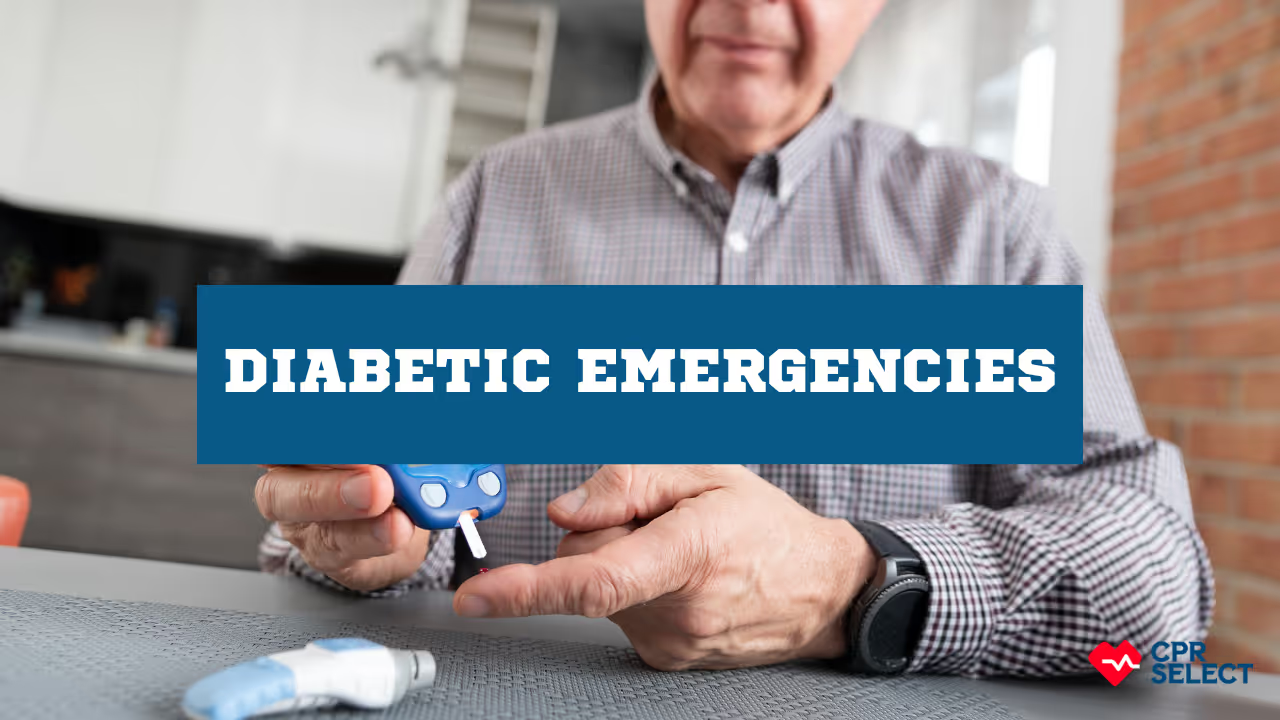
For a diabetic emergency, providing a source of sugar, such as glucose tablets or a sugary drink, help raise blood sugar levels. However, for a stroke, immediate medical attention is paramount. Calling Emergency Medical Services (EMS) and ensuring the patient receives specialized medical care promptly is vital for stroke patients, as time is of the essence in treating strokes.
Hypothermia
Hypothermia occurs when the body loses heat faster than it can produce it, usually in extremely cold conditions. Symptoms include shivering, confusion, and slowed heart rate. Learn how to safely warm someone who is experiencing hypothermia, including removing wet clothing and providing warm, dry coverings.
Frostbite
Frostbite can cause tissue damage due to exposure to extreme cold. Recognize frostbite symptoms, such as numbness and pale, hardened skin, and learn how to provide initial treatment while seeking medical care.
Heat-Related Illnesses
Heat-related illnesses, like heat exhaustion and heat stroke, can be life-threatening in hot weather. Recognize the symptoms, such as heavy sweating, weakness, and confusion, and learn how to cool and hydrate affected individuals while waiting for medical professionals.
Poisoning
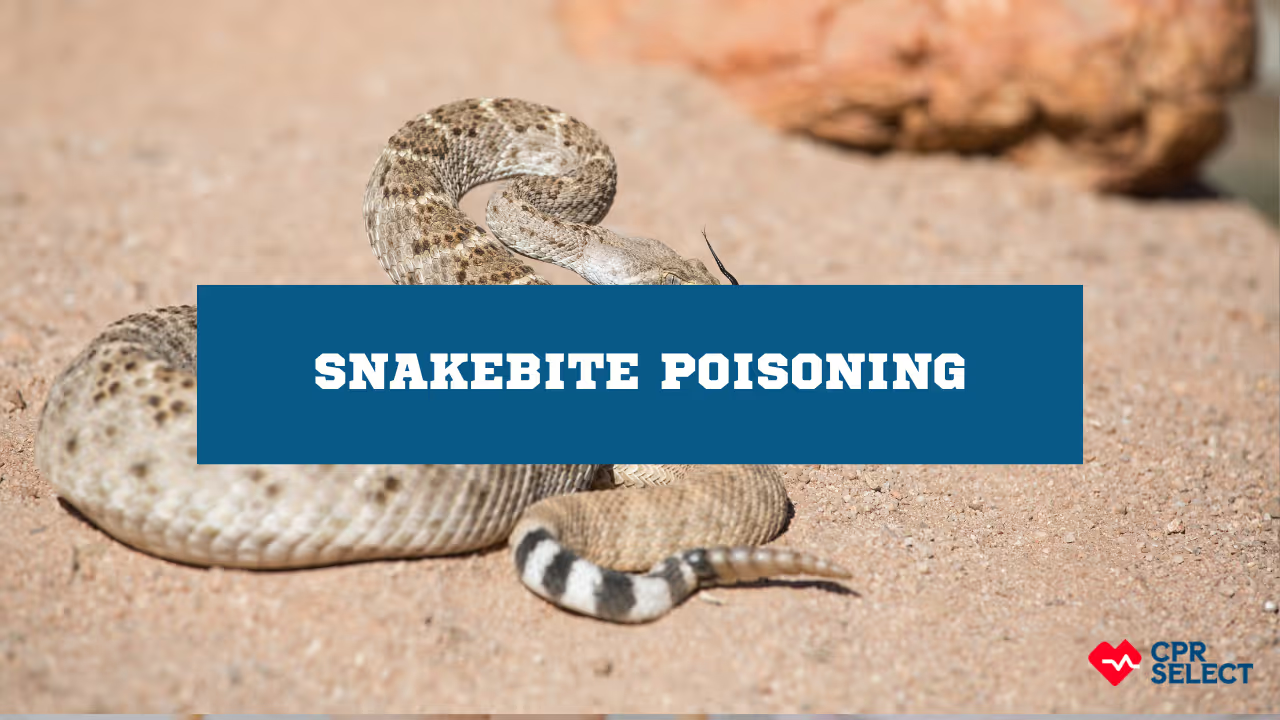
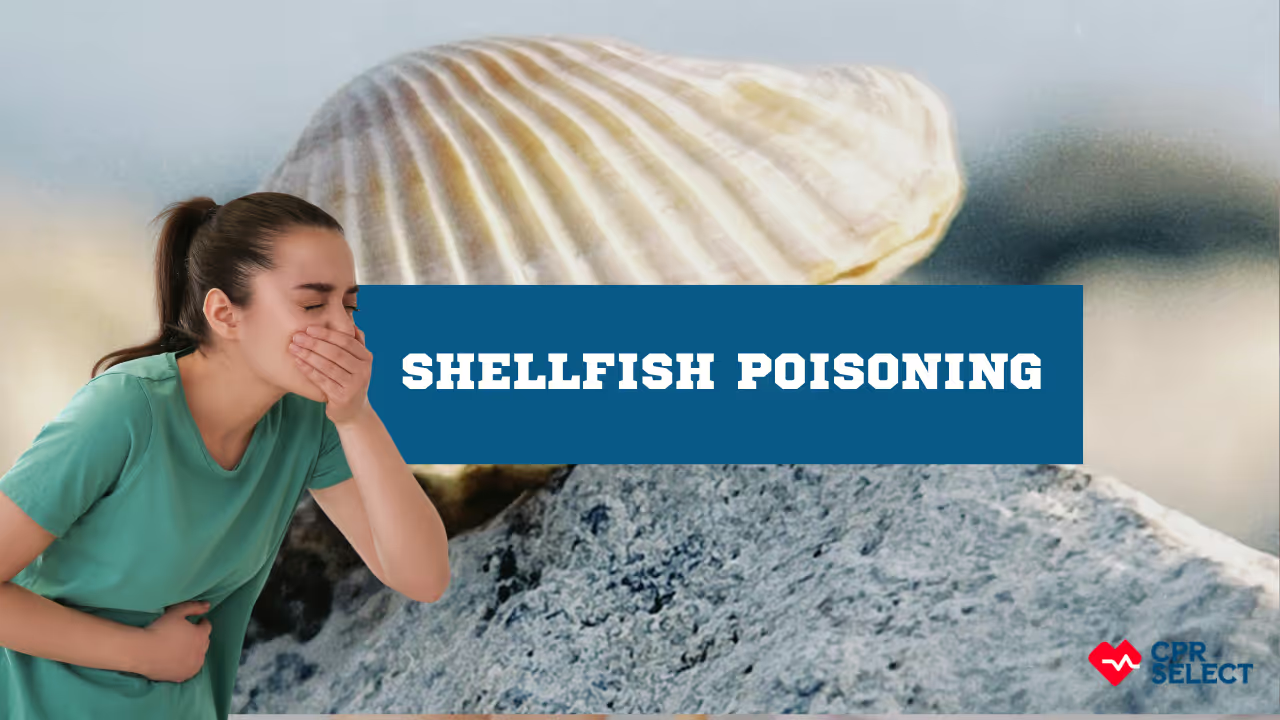
Poisoning can occur through ingestion, inhalation, or contact with harmful substances. Recognize the signs of poisoning and learn the immediate steps to take while waiting for professional medical assistance. Do not induce vomiting or administer activated charcoal unless directed by Poison Control or a medical professional.
Call Poison Control immediately for guidance. Recommendations depend on the substance involved, the amount ingested, and the time since exposure.
Shock
Shock is a state of inadequate blood flow to vital organs, which can result from various injuries or medical conditions. Learn to recognize shock symptoms, such as pale skin and rapid breathing, and provide initial first aid measures to stabilize the affected person before professional help arrives.
Burns
Differentiate between the types of burns and learn the appropriate first aid treatments for each. This includes cooling the burn, covering it with a sterile dressing, and seeking medical attention, particularly for severe burns.
Is it essential to remove a burn victim from the source of the burn?
Yes, it is vital to remove a burn victim from the source of the burn immediately. This action prevents further injury and allows for the assessment and treatment of the burn. Remember, cooling the burn with running water for at least 10-20 minutes is crucial to minimize damage to the tissue.
Fracture
Fractures are injuries involving broken bones. Learn how to identify signs of a fracture, immobilize the injured area, and provide initial first aid care to reduce pain and prevent further injury until medical help is available.
Bleeding
Whether it's a minor cut or a severe wound, knowing how to control bleeding is essential to prevent excessive blood loss and reduce the risk of infection. Learn proper wound care techniques, such as applying pressure, elevating the injured area, and dressing the wound.
Closed Wound
Closed wounds, such as bruises or contusions, may not be as visible as open wounds, but they still require attention. Learn how to recognize signs and manage them effectively, which may include applying ice to reduce swelling and pain.
Open Wound
Open wounds, such as cuts, lacerations, or punctures, can be prone to infection. Understand proper techniques for cleaning, disinfecting, and dressing these wounds to promote healing and prevent complications.
Seizure
Seizures can be frightening for both the person experiencing them and those around them. Learn how to assist someone during a seizure, ensuring their safety by protecting their head and ensuring they are lying on their side to minimize the risk of injury.
What is the SAMPLE acronym used for?
The SAMPLE acronym stands for Signs and Symptoms, Allergies, Medications, Past medical history, Last meal, and Events leading up to the present condition. It is a mnemonic used to collect essential medical history from a patient. Gathering this information helps medical professionals understand the patient's condition better and provide appropriate care.
What differs in the way you handle an unresponsive but breathing adult versus an unresponsive but breathing child?
For an unresponsive but breathing adult, placing them in a recovery position is important. This position helps maintain an open airway and prevents choking on vomit or other fluids. Similarly, for a child, the same principles apply. However, adjustments are necessary based on the child's size and condition to ensure their airway remains clear and open.
What is considered a "life-threatening condition" requiring EMS?
Life-threatening conditions requiring EMS include persistent chest pain, severe bleeding, and stroke symptoms. These situations demand immediate medical attention and intervention from trained professionals. Recognizing these conditions and acting promptly improves the chances of a positive outcome for the patient.
What should be done if a victim vomits during ventilations?
If a victim vomits during ventilations, it is crucial to turn them onto their side to prevent choking and clear the airway immediately. Maintaining a clear airway is vital for the victim's breathing and overall well-being. After clearing the airway, continue to monitor the victim's condition and provide appropriate care based on their needs.
Heimlich Maneuver
The Heimlich maneuver is a technique used to help a choking person dislodge an obstruction from their airway. Master this life-saving skill, which involves abdominal thrusts, to assist someone in a choking emergency.
Good Samaritan Law
Understanding the Good Samaritan Law is essential when providing assistance to someone in need. This law protects individuals from legal consequences when offering reasonable assistance in emergency situations. It encourages people to act quickly to help others without hesitation.
Good Samaritan laws vary by country and state
In general, these laws may provide legal protection when aid is given in good faith, without expectation of compensation, and within the responder’s level of training. Protections do not apply in cases of gross negligence or willful misconduct.
Psychological First Aid
Psychological first aid is essential for helping individuals cope with traumatic events. Learn techniques to provide emotional support and help people regain a sense of safety and security after experiencing distressing situations.
First Aid Training
First aid training is a valuable skill that can save lives. Explore the importance of learning first aid techniques and where to obtain training in your community. Acquiring these skills is not only beneficial for you but for those around you as well.
Learn more about Basic First Aid
Course content is based on current first aid and CPR guideline principles, including recommendations published by recognized organizations such as the American Heart Association (AHA). Our expert guides empower you to respond promptly and efficiently to a wide range of emergencies. From handling burns and fractures to addressing cardiac emergencies, our comprehensive resources prepare you to act swiftly and confidently in critical situations. We believe in arming you with the knowledge needed to make a difference when every second counts.
Disclaimer: Acceptance varies by employer, job role, and jurisdiction. OSHA does not approve or endorse specific training providers. Some workplaces require hands-on or blended training to meet regulatory or employer standards. Check your employer or regulatory authority’s requirements before enrolling.
.avif)
.avif)
.avif)
.avif)


.avif)
.avif)


.webp)


.webp)


.svg)
.svg)
.svg)
